
 Introduction
 Introduction
Welcome to the world of restful sleep and cozy nights! At the heart of every serene bedroom is a comfortable mattress, acting as a silent herald of relaxation and rejuvenation. The importance of choosing the right mattress sizes and types can’t be overstated. It’s not just a bedroom accessory; instead, it is a true cornerstone of your health and well-being. A mattress that aligns with your body’s needs can transform your sleep quality, enhance your mood, and uplift your daily energy levels.
Overview of Cotton Mattresses
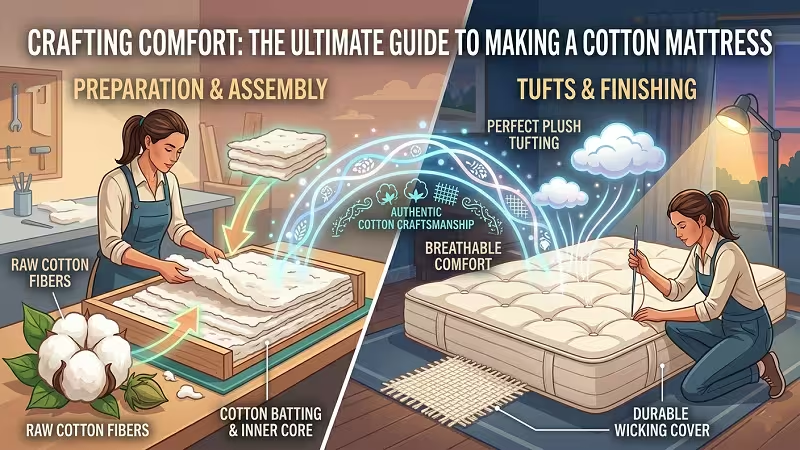
In this comprehensive guide, we delve into the art of making a cotton mattress. Cotton is known for its natural breathability, durability, and hypoallergenic properties. Therefore, it remains a preferred material for many. Its ability to regulate temperature and provide consistent support makes it a beloved choice for mattress makers.
Crafting a cotton mattress is not just about creating a sleep surface; it’s an invitation to embrace a sustainable lifestyle. By choosing these natural materials, you are being kind to yourself and the environment. So, whether you’re a DIY enthusiast or passionate about natural living, this guide is your first step toward building a personal haven of comfort.
 Understanding Cotton Mattresses
 Understanding Cotton Mattresses
Benefits of Cotton in Mattresses
Cotton is a natural fiber with a legacy as old as civilization itself. It offers many benefits when used in bed construction. Let’s explore why cotton is an excellent lifestyle choice for better sleep:
- Breathability: Cotton’s natural structure allows air to circulate freely. This reduces the likelihood of overheating during sleep and ensures a comfortable temperature all year round.
- Hypoallergenic Properties: Cotton is gentle and ideal for sensitive skin. It is less likely to cause allergic reactions, making it a boon for those who struggle with allergies or skin irritations.
- Durability and Resilience: Cotton maintains its shape and integrity over time. It resists regular wear and tear, making it a cost-effective and sustainable choice.
- Moisture Absorption: Cotton’s ability to absorb moisture helps regulate humidity close to the body, contributing to a dry sleeping environment.
- Eco-Friendly: As a renewable resource, cotton is fully biodegradable and has less impact on the environment compared to synthetic materials.
Types of Cotton Used
When selecting cotton for your DIY project, understanding the different types available is crucial. Each type brings its unique qualities to a mattress:
- Organic Cotton: Cultivated without harmful pesticides or chemicals. Organic cotton is an eco-conscious choice that ensures a pure sleeping surface.
- Egyptian Cotton: Known for its long fibers. It is exceptionally soft and luxurious, making it a premium choice for mattress layers.
- Pima Cotton: Similar to Egyptian cotton, Pima is known for its long fibers, offering strength and softness that contribute to durability.
- Upland Cotton: The most commonly used cotton. Upland cotton has shorter fibers but is widely available and highly versatile.
Quick Comparison: Cotton Types for Mattress Making
| Cotton Type | Key Feature | Best Used For |
|---|---|---|
| Organic Cotton | Chemical-free & eco-friendly | Sensitive skin and green living |
| Egyptian Cotton | Extra-long fibers & ultra-soft | Premium luxury mattress layers |
| Pima Cotton | Durable, long fibers | High-strength support layers |
| Upland Cotton | Affordable & widely available | Budget-friendly core padding |
Materials and Tools Needed
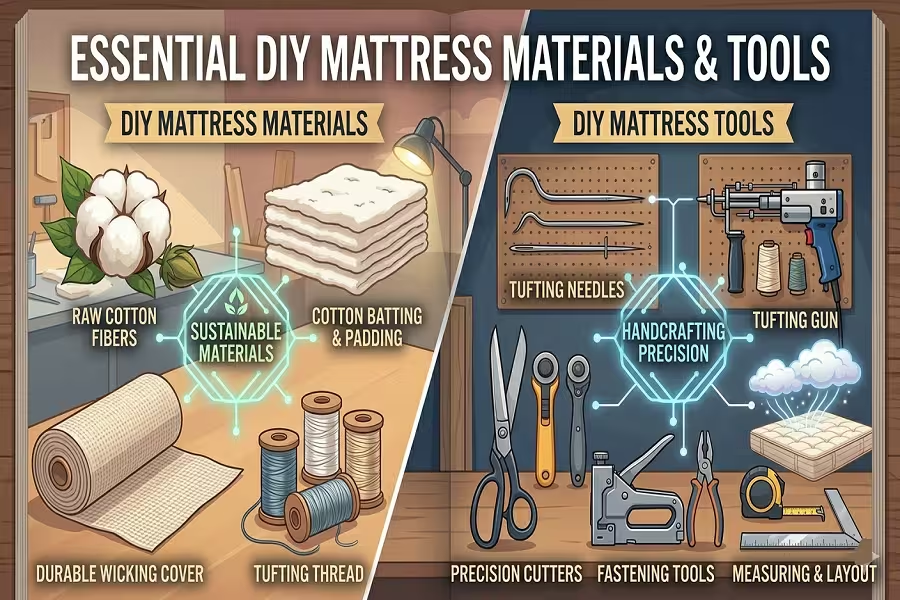
Creating your own cotton mattress involves gathering the right materials. If you find the DIY process too demanding, you can alternative look into modern solutions like the best air mattresses for temporary or guest setups. However, for a traditional cotton build, here is a comprehensive list of what you will need:
- Cotton Batting: The primary material for the mattress. It comes in various qualities and thicknesses.
- Mattress Ticking: This is the outer fabric that encases the cotton batting. Opt for durable, tightly woven fabric like cotton or a cotton-polyester blend.
- Strong Thread: Select a heavy-duty thread for stitching to ensure that the seams hold together well over time.
- Tufting Needles and Twine: Tufting keeps the cotton batting from shifting. Long tufting needles and sturdy twine are essential for this process.
- Scissors or Fabric Cutter: Used for cutting the mattress ticking and batting to size.
- Measuring Tape: Essential for precise measurements of all parts.
- Sewing Machine (Optional): A sewing machine can make the process faster and more efficient for the ticking fabric.
Choosing Quality Cotton
- Loft and Density: The thickness and density will determine the overall firmness. Experiment with different levels to find what suits your back best.
- Organic vs. Conventional: Opt for certified organic cotton if chemical-free materials are essential for your lifestyle.
- Origin and Quality: High-quality cotton like Egyptian offers superior softness, while Upland cotton is more affordable and still provides good support.
Preparing the Materials
Before diving into the construction, it’s essential to prepare your materials properly. This preparation ensures the bed is both comfortable and durable.
Cleaning and Processing Cotton
- Inspecting the Cotton Batting: Start by examining the batting for any impurities. Remove any debris or lumps to ensure a smooth filling.
- Fluffing the Cotton: Loosen the cotton batting by gently pulling it apart. This increases its loft, making it fluffier while avoiding unevenness.
- Pre-shrinking the Ticking: If you’re using cotton ticking fabric, pre-wash it to prevent shrinkage after the mattress is assembled.
Step-by-Step Guide to Making a Cotton Mattress
 Step-by-Step Guide to Making a Cotton Mattress
Crafting a traditional mattress requires patience and attention to detail. Follow these steps to create a durable sleeping surface:
Preparing the Base
- Measure and Cut the Ticking: Cut two pieces of mattress ticking for the top and bottom, allowing extra fabric for seam allowances.
- Sew the Sides: Sew the ticking together along the sides using a robust stitch. Make sure to leave one end completely open for the cotton filling.
Layering the Cotton
- Layering the Cotton Batting: Begin filling the ticking fabric with cotton batting. Start from the corners, then gradually move towards the center.
- Fluffing as You Go: Fluff the cotton as you fill. This allows you to avoid lumps and ensure even loft throughout the structure.
- Fill to Desired Thickness: Continue adding layers of cotton batting. A typical custom cotton mattress can be anywhere from 6 to 8 inches thick.
Stitching and Finishing
- Closing the Mattress: Once you achieve the desired thickness, carefully sew the open end closed. Ensure the final seam is secure.
- Tufting the Mattress: Use tufting needles and twine to create tufts throughout the surface. This crucial step keeps the cotton batting from shifting over time.
- Trimming and Final Touches: Trim any excess fabric or loose threads, and protect your build with a proper mattress protector or cover if available.
Maintaining Your Cotton Mattress
Proper maintenance ensures your handmade bed remains comfortable over time. Check out our guide on essential mattress accessories to keep your bedding in top condition.
Regular Maintenance Tips
- Air Out Regularly: Periodically air out your mattress in direct sunlight. This prevents moisture build-up and keeps it fresh.
- Rotate and Flip: Rotate and flip your mattress every few months to ensure even wear and maintain its core shape.
- Vacuum Cleaning: Use an upholstery attachment to vacuum the surface gently to remove dust and common allergens.
Stain Removal Techniques
- Can old stains be removed from a mattress? Yes, a mixture of baking soda, hydrogen peroxide, and mild liquid soap can be effective. Apply the solution, let it sit, then gently dab it off.
- What is the best stain remover for mattresses? Combining baking soda and vinegar is an excellent natural option. Apply baking soda to the stain, then spray a little vinegar before blotting.
- Are mattress stains permanent? Not all mattress stains are permanent. Immediate action and using the proper natural cleaning methods can remove or lighten most marks.
Conclusion
 Conclusion
Our journey began by understanding the true importance of a good mattress. Natural cotton serves as an excellent choice for breathability and durability. Following a structured step-by-step guide helps you navigate each stage of mattress making safely, ensuring your custom bed remains clean and comfortable for years to come.
References and Further Reading
- National Cotton Council of America: Technical guidelines on cotton fiber properties, density, and breathability.
- International Organic Accreditation Service (IOAS): Standards regarding organic cotton certifications and eco-friendly textiles.
- The Textile Institute: Research papers on the durability, upholstery basics, and strength of natural fiber stitching.

Expert in the world of air mattresses and outdoor sleep solutions, with years of experience testing and reviewing products to ensure comfort and durability. My passion is to help people make the best choices for their sleep comfort, whether for camping adventures or overnight guests.