
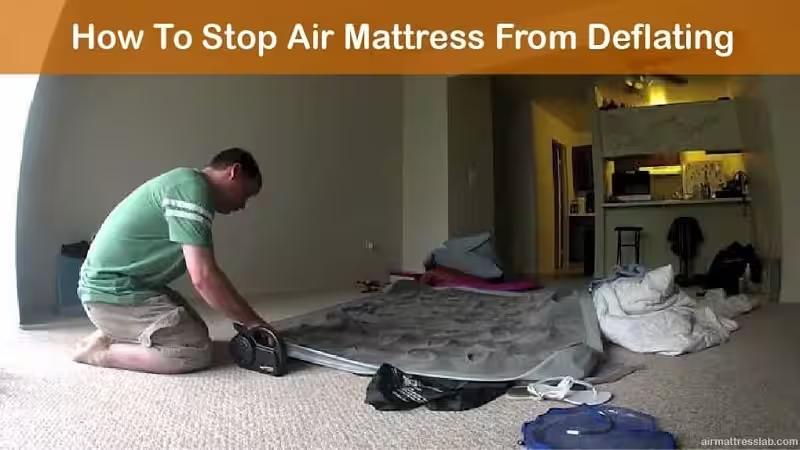
Are you puzzled by the sudden deflation of your air mattress, even when the valve cover remains securely in place? It’s a common concern, especially for those new to using temporary inflatable beds. Many people wonder if their mattress has a factory defect when they encounter this overnight softening. However, it’s important to understand that all air mattresses, regardless of their type or brand, are naturally susceptible to minor air loss due to physical and environmental factors.
The problem typically isn’t related to a broken structural design but is heavily influenced by fundamental factors such as temperature fluctuations, uneven weight distribution, and improper surface placement. In this comprehensive guide, we will delve into the core reasons behind air mattress deflation and provide you with expert tips to maintain its thickness, structural firmness, and sleeping comfort for years to come.
Table of contents
Quick Troubleshooting: Air Mattress Deflation at a Glance
If you are short on time, use this quick reference table to understand why your air mattress is losing pressure overnight and how to fix it immediately:
| The Issue (Symptom) | Root Cause | Immediate Fix / Solution |
|---|---|---|
| Mattress sags only at night | Cold night temperatures contracting internal air. | Keep the room warm; place a thick insulating blanket underneath the bed. |
| New mattress loses firmness fast | Natural stretching of the new PVC/vinyl material. | Inflate it fully a few hours before use and top it off right before sleeping. |
| Slow air loss with no visible hole | Micro-tears in seams or a loose/dirty valve seal. | Apply soapy water around the valve to check for bubbles; secure the cap tightly. |
| Rapid deflation within hours | Accidental puncture or severe seam separation. | Locate the leak using the sound/bubble method and apply a heavy-duty PVC patch. |
Top Core Reasons and Solutions for Air Mattress Deflation

1. Optimal Placement for Ground Stability
Have you ever noticed that air mattress deflation tends to happen more frequently during chilly nights? The exact positioning of your inflatable bed plays a crucial role in its overall structural performance. To minimize overnight sinking, follow these location strategies:
- Surface Quality: Avoid placing your bed directly on rough, jagged, or irregular floors. Hidden rocks or floor splinters cause gradual wear and tear on the vinyl, leading to hard-to-find air leakage.
- Protective Bedding: To maintain a stable foundation, always spread a thick blanket or protective tarp underneath the mattress. This extra layer cushions the base fabric and minimizes puncture risks.
- Elevation and Altitude: Be mindful of your geographic elevation. Using an airbed at high mountain altitudes causes internal pressure variations, letting air escape faster through joints. Choose a level layout that protects the base from cold ground textures.
2. Strategic Weight Management
Air mattresses are expertly engineered for sleeping luxury, but they should never be treated as trampolines. Proper weight distribution is essential to prevent overnight seam stretching and maintain air containment:
- Even Pressure Layout: Ensure that the total body weight on the mattress is evenly distributed. Avoid concentrating heavy weight on small specific areas, such as standing or sitting forcefully on the corners.
- Limit Standing and Sitting: While modern PVC materials support regular relaxation, lounging directly on the edge strains the heat-welded seams. Encourage users to distribute weight lengthwise.
- Adjust Sleeping Positions: Lying flat on your back exerts less focused pressure on air coils than side sleeping. Adopting balanced sleeping habits helps retain original firm pressure levels throughout the night.
3. Prevent Bedding Overloading
While many single users do not share their airbed, they often make the mistake of overloading it with heavy blankets, weighted duvets, and massive pillows. Thick bedding accessories can severely compress the internal air chambers:
- Understand Material Elasticity: Standard air beds are built from flexible PVC. While vinyl expands naturally, excessive weight from heavy top loads forces air to slowly leak through the valve seal.
- Select Lightweight Linens: Opt for high-quality, insulating bedding that delivers top warmth without adding unnecessary physical weight. Striking a perfect balance keeps the internal pressure steady.
- Inspect for Overstretching: Periodically check the side walls for bulging outlines. Catching material fatigue early helps you adjust the load before the mattress sustains permanent seam tears.
4. Temperature Control for Maximum Air Retention
Ambient temperature plays a defining role in how your airbed behaves. Since an air mattress is made of flexible PVC, ambient temperature fluctuations dictate how firm or soft your bed feels:
- Manage Cold Environments: In freezing rooms or tents, the air inside your mattress contracts naturally, causing it to sag without having an actual hole. Keep the sleeping environment warm with space heaters to prevent thermal air contraction.
- Utilize Natural Sunlight: If you are deploying the bed in a cold guest bedroom, keep the window curtains open during daytime hours. Allowing natural sunlight to warm up the vinyl helps stabilize internal air expansion.
- Tent Temperature Regulation: Keep your camping tent well-insulated and ventilated. Preventing extreme evening drops ensures the mattress retains its comfortable bounce until the morning.
Routine Maintenance for Inflatable Bed Longevity
A structured maintenance routine is the easiest way to prevent unexpected deflation issues and keep your investment in pristine condition:
- Deflate Right After Use: Never leave an air mattress fully inflated for weeks if it’s not being used. Constant pressure weakens the vinyl material structure over time.
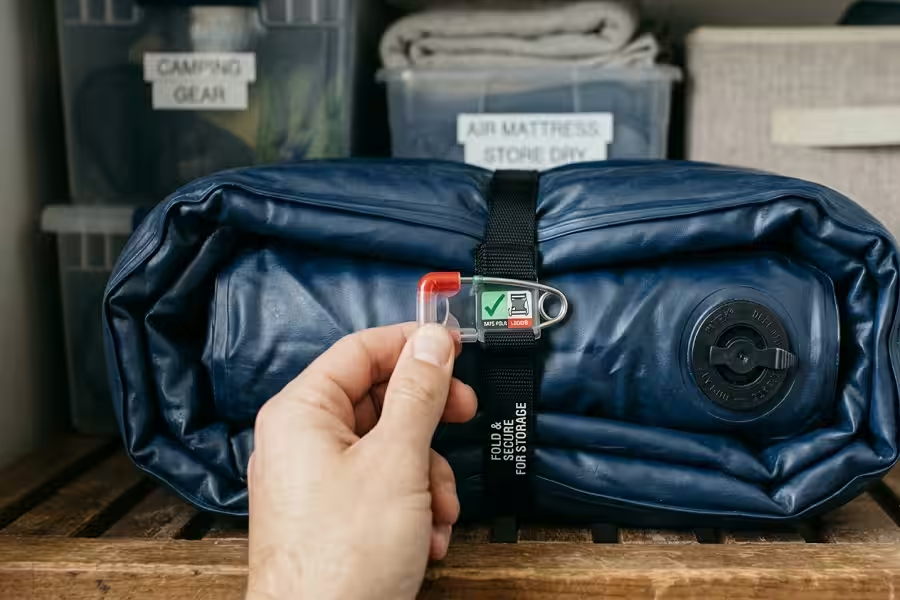
- Master Proper Folding: Avoid crushing or rolling the bed tightly. Fold it loosely following the official manufacturer guidelines to avoid creating sharp creases that turn into micro-cracks.
- Clean with Gentle Solutions: Use mild soap mixed with lukewarm water to wipe down the exterior. Never apply harsh industrial solvents or abrasive brushes that dissolve waterproof coatings.
- Thorough Ambient Drying: Ensure the vinyl fabric is 100% dry before storing it inside its canvas bag. Trapped moisture triggers mold growth, which quickly ruins seam integrity.
How to Identify and Repair Airbed Punctures
Step-by-Step Puncture Identification
If your bed deflates rapidly even in a warm room, you likely have a micro-puncture. Use this diagnostic routine to isolate the leak:
- Clear the Mattress: Strip away all fitted sheets, mattress toppers, and sleeping pillows to fully expose the vinyl shell.
- Inflate to Full Capacity: Pump the mattress to its maximum recommended firmness. Higher pressure forces air out faster, making the leak easier to locate.
- Examine High-Stress Areas: Carefully check the bottom seams, side corners, and tufted top dimples where fabric joints undergo the most stress.
- Listen and Feel: Move your ears close to the fabric in a completely quiet room to listen for a faint hissing sound, or run a wet hand along the surface to feel escaping air currents.
- Check the Valve System: Pour a few drops of soapy water around the valve housing. If you see forming bubbles, your valve seal is loose or needs tightening.
Efficient Repair Techniques
Once a puncture is isolated, acting quickly with the right tools restores full airtight performance:
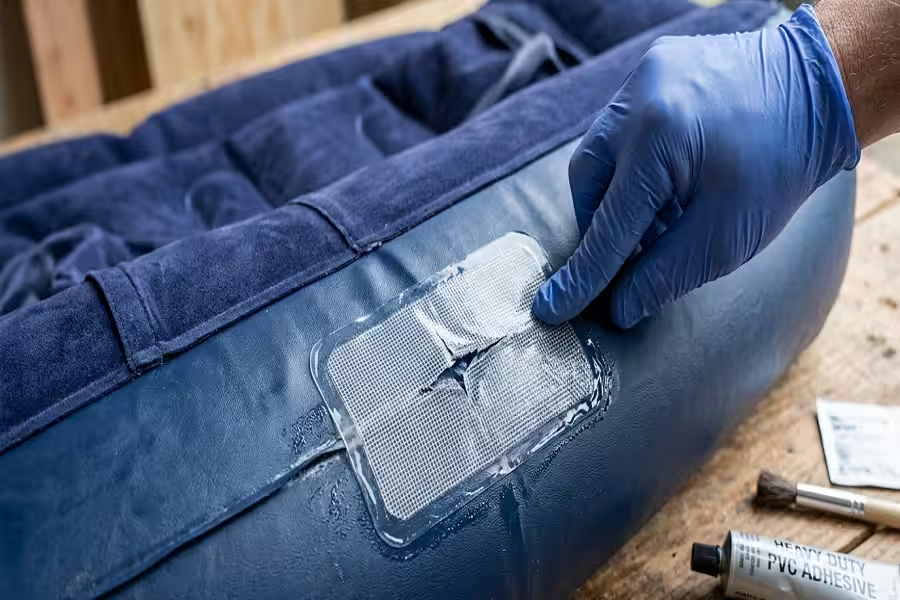
- Prep and Clean: Ensure the damaged area is completely dry, clean, and free from flocking fibers. Use fine sandpaper to smooth down velvet textures if necessary.
- Apply Heavy-Duty Patch Kits: Cut a circular malleable plastic patch that safely extends at least one inch beyond the edges of the hole.
- Apply Specialized Adhesive: Spread a thin, even layer of PVC cement or airbed glue on both the mattress surface and the backing patch.
- Press and Cure: Place the patch firmly over the leak, applying heavy weights on top. Allow it to cure undisturbed for a full 24 hours before testing internal pressure levels again.
Frequently Asked Questions (FAQ)
Why is my air mattress going flat without a visible hole?
Air mattresses regularly soften without a puncture due to natural PVC stretching and internal temperature drops. When new vinyl material is inflated for the first few times, it expands under your body weight, requiring a quick top-off inflation. Additionally, a slow-leaking valve cap can let air bleed out undetected overnight.
How can I make my temporary air mattress last longer?
To maximize your airbed’s lifespan, always avoid over-inflation, use durable ground tarps, limit unnecessary lounging on the edges, and store the deflated mattress in a climate-controlled room away from extreme seasonal heat or sub-zero garage temperatures.
Can you put a foam mattress topper on an air mattress?
Yes! Adding a memory foam or quilted mattress topper is a fantastic way to upgrade comfort. A topper provides excellent thermal insulation against cold internal air and serves as a protective barrier against accidental surface tears.
Is it safe to sleep on an airbed every single night?
While premium air beds with advanced internal coil systems can support nightly use for temporary periods, they lack the permanent ergonomic spine support found in standard mattresses. For long-term everyday use, adding a supportive topper is highly recommended to protect your lower back health.
Final Conclusion
Preventing annoying air mattress deflation comes down to consistent, smart habits. By optimizing your placement on clean floors, managing overnight weight thresholds, keeping the sleeping room at a stable warm temperature, and addressing punctures early with quality patch kits, you can easily guarantee a supportive, comfortable night’s sleep.
Treat your air mattress systematically, follow the guidelines, and you will enjoy premium sleep comfort for years to come.

Expert in the world of air mattresses and outdoor sleep solutions, with years of experience testing and reviewing products to ensure comfort and durability. My passion is to help people make the best choices for their sleep comfort, whether for camping adventures or overnight guests.