
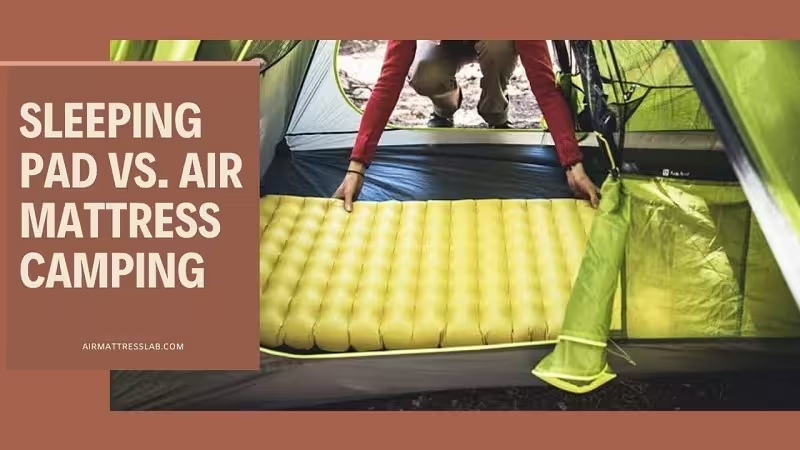
Choosing between a sleeping pad vs. air mattress for camping is a pivotal decision for any outdoor enthusiast. Making the right choice not only guarantees a rejuvenating night’s sleep but also ensures your gear aligns perfectly with your specific comfort preferences, whether you are looking for the best twin air mattress with built-in pump or a minimalist trail setup.
While both options serve the primary purpose of insulating and cushioning your body from the cold ground, they differ significantly in design, portability, and performance under various weather conditions. Understanding these nuances is key to investing in the perfect sleep system for your adventures.
In this comprehensive guide, we will break down the structural differences, pros and cons, and specific use cases for both sleeping pads and air mattresses to help you make an informed decision.
Table of contents
Understanding Sleeping Pads
1. Types of Sleeping Pads
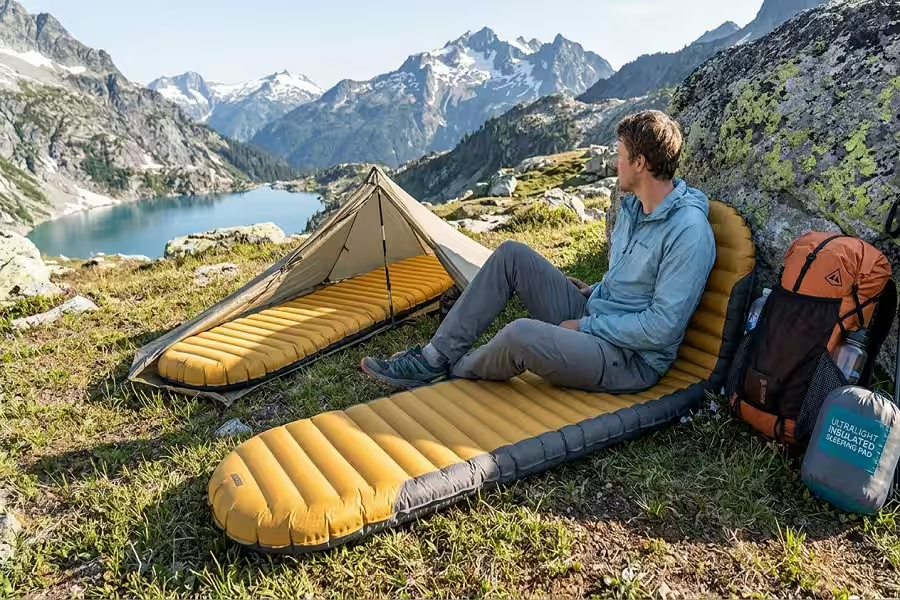
Sleeping pads are highly engineered pieces of backcountry gear designed to balance weight, packability, and thermal resistance. They generally fall into three categories:
- Closed-Cell Foam Pads: The most basic and indestructible option. Made of dense foam filled with tiny closed air cells, they are ultra-lightweight, affordable, and cannot puncture, though they offer minimal cushioning and are bulky to pack.
- Inflatable Air Pads: These pads rely solely on air (and sometimes internal synthetic or down insulation) for comfort. They are incredibly compact when deflated and are preferred by backpackers who prioritize a minimal trail weight.
- Self-Inflating Pads: Combining an open-cell foam core with an airtight fabric shell, these pads open up to pull air in automatically. They offer an excellent balance of heavy-duty durability, reliable insulation, and plush cushioning.
2. Pros and Cons of Sleeping Pads
- Pros:
- Ultralight & Packable: Modern pads roll down to the size of a water bottle, fitting effortlessly into a backpacking pack.
- Advanced Thermal Insulation: Designed with specific R-values to actively prevent the frozen ground from draining your body heat.
- High Reliability: Foam models are virtually indestructible, and self-inflating options still offer foam cushioning even if punctured.
- Cons:
- Limited Sleep Surface: Thinner profiles mean side sleepers might occasionally feel the ground beneath them.
- Crinkle Noise: Some ultralight materials emit a crinkling sound when you shift positions during the night.
- Manual Inflation: Inflatable models require lung power or a pump sack after a long day of trekking.
3. Ideal Use Cases for Sleeping Pads
Because of their streamlined design, sleeping pads are the definitive choice for backpacking, thru-hiking, and cold-weather mountaineering. According to professional outdoor packing standards by REI, selecting the right pad depends entirely on balancing your trail weight with your required insulation level. When ground temperature drops below freezing, a high-quality insulated sleeping pad is non-negotiable for wilderness survival.
Exploring Air Mattresses
1. Types of Air Mattresses
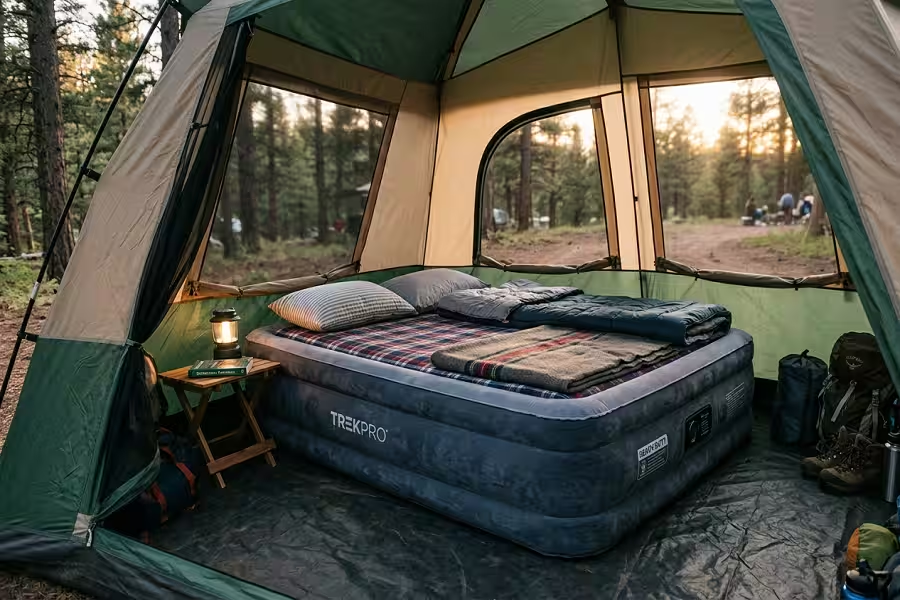
Air mattresses are designed to replicate the luxury of an indoor bed in an outdoor setting. Camping-specific models are built tougher than standard guest beds:
- Standard Camping Air Mattresses: Heavy-duty single-layer PVC or TPU mattresses that lay flat on the tent floor, providing a thick, supportive cushion of air.
- Raised Air Mattresses: Double-high models that make standing up and sitting down incredibly easy. These are best suited for large cabin tents with plenty of vertical headroom.
- Truck Bed & SUV Mattresses: Specifically contoured to fit around wheel wells, turning the back of your vehicle into a premium mobile campsite.
2. Pros and Cons of Air Mattresses
- Pros:
- Home-Like Comfort: Providing 4 to 10 inches of thickness, they keep you completely elevated off the hard floor.
- Adjustable Firmness: You can precisely control the internal pressure to your exact comfort level.
- Spacious Dimensions: Available in Queen and King sizes, allowing couples to sleep together comfortably.
- Cons:
- Heavy and Bulky: Their sheer weight and packed size require motorized transportation.
- Inflation Dependency: They require a reliable battery, manual, or 12V pump to inflate.
- Poor Insulation: Large chambers of uninsulated air circulate the cold from the ground directly to your back.
- Puncture Vulnerability: Sharp rocks, twigs, or pet claws can cause sudden overnight deflations.
3. Ideal Use Cases for Air Mattresses
Air mattresses excel in car camping, family basecamps, and backyard campouts. When your vehicle does the heavy lifting, prioritizing a plush, luxurious sleep surface makes outdoor trips much more approachable, especially for beginners or those managing joint pain.
8 Critical Factors: Sleeping Pad vs. Air Mattress Camping
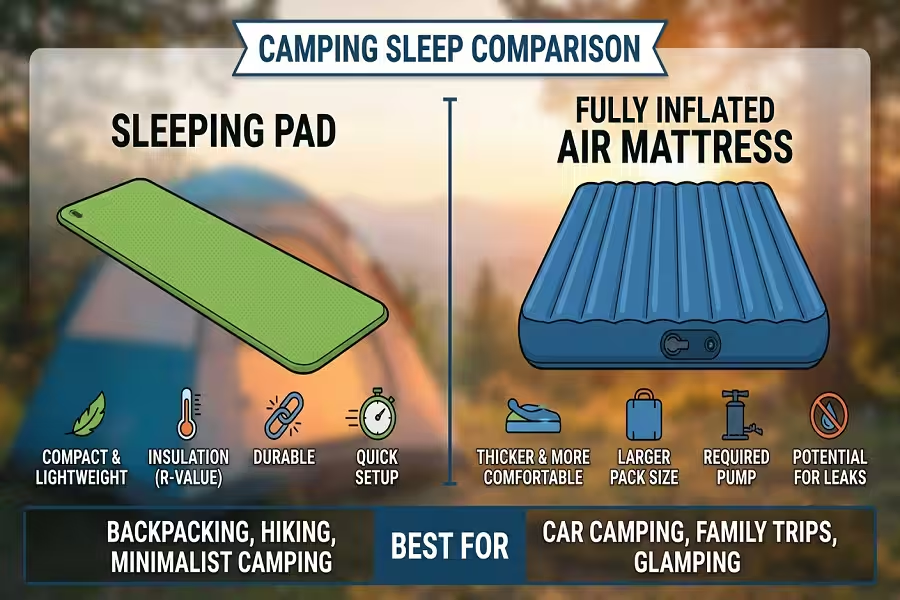
| Feature | Sleeping Pad | Air Mattress |
|---|---|---|
| Primary Use | Backpacking & Thru-Hiking | Car Camping & Basecamps |
| Thickness | 0.75 to 3 inches | 4 to 10+ inches |
| Insulation (R-Value) | High (Up to 5+ available) | Very Low (Uninsulated air) |
| Puncture Risk | Low (Foam models indestructible) | High (Vulnerable to sharp objects) |
| Portability | Ultralight & Packable | Heavy & Bulky (Requires vehicle) |
| Best Gear Choice | 👉 View Best Sellers on Amazon | 👉 View Best Sellers on Amazon |
1. Structural Profile of Sleeping Pads
Sleeping pads focus entirely on utilitarian performance. They generally range from 0.75 to 3 inches in thickness, focusing on targeted body support. They are typically engineered for single-sleeper layouts, making them sleek and highly efficient space-savers inside smaller backpacking tents or hunting setups.
2. Structural Profile of Air Mattresses
Air mattresses are heavy-duty, spacious structures made predominantly of thick PVC or TPU materials. They are broad enough to accommodate multiple sleepers simultaneously and offer immense thickness adjustments. Their intuitive setup makes them highly accessible, requiring zero technical outdoor experience to operate.
3. Real-World Similarities
At their core, both options act as a protective barrier between your body and the terrain. Modern iterations of both systems utilize specialized TPU coatings and water-resistant fabrics that naturally repel morning dew, moisture, and mold growth, ensuring longevity when stored correctly.
4. Key Functional Differences
The primary divergence lies in puncture resistance and overall comfort. Sleeping pads are inherently less vulnerable to catastrophic failure on rough terrain. Conversely, an air mattress delivers a far superior level of plush comfort that mimics traditional bedding, making it an excellent temporary bed replacement.
5. Financial Investment and Pricing
Pricing fluctuates heavily based on material engineering and thermal capabilities. Highly technical, insulated sleeping pads often carry a premium price tag due to their lightweight, high-R-value technology. On the flip side, standard air mattresses are relatively budget-friendly, though advanced models with integrated pumps can increase the overall cost.
6. Versatility Across Activities
Sleeping pads win clearly on versatility. Their rugged nature allows them to double as fitness mats, camp chairs, or quick rest stations on rocky trails. Air mattresses are single-purpose gear items; they are designed exclusively for flat surfaces inside a protected tent or vehicle and cannot withstand rough, multi-purpose outdoor use.
7. Packed Size and Footprint
Space optimization is where sleeping pads shine. They compress into tight bundles that leave plenty of room in your pack for food and survival gear. Lugging an air mattress requires careful planning, as its bulky deflated state demands significant storage space in your vehicle’s trunk.
8. Long-Term Dependability
Dependability comes down to the environment. On a remote backcountry trail, a sleeping pad is infinitely more dependable because a single puncture won’t ruin your entire trip. For car camping on clean, manicured tent pads, an air mattress provides reliable, long-lasting comfort for years if kept away from sharp objects.
Expert Insight: Personal Opinion & Practical Advice
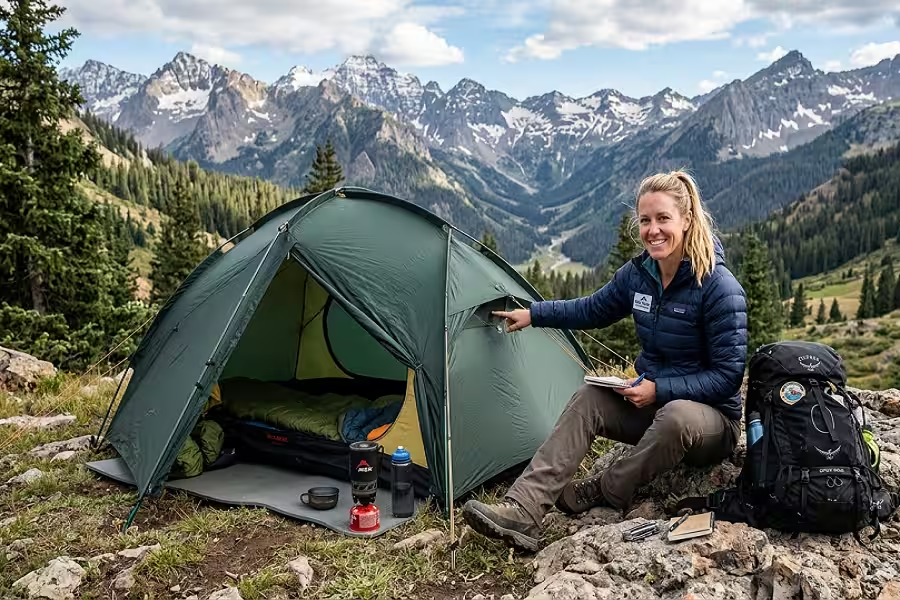
From the Desk of Sarah Collins, Outdoor Gear Specialist:
“Over a decade of testing sleep systems in unpredictable backcountry conditions has taught me that sleep quality isn’t just about luxury—it directly governs your physical stamina and mental alertness on the trail. When I am heading out for a multi-day backpacking trek, I immediately reach for an insulated, high-R-value sleeping pad. The minimalist, rugged connection to the environment keeps me safe from ground-chill and ensures I don’t have to worry about a ruined night due to a sudden puncture.”
“However, I completely switch strategies when car camping with family. In those scenarios, I opt for the thick comfort of a heavy-duty air mattress. Keeping my joints elevated off the hard ground completely transforms the experience, turning a rough night outdoors into a deeply rejuvenating escape. The secret is matching your gear to the specific logistical reality of your trip.”
Frequently Asked Questions (FAQs)
1. What is a sleep system’s R-value, and why does it matter?
The R-value measures a sleeping pad’s capacity to resist heat loss to the cold ground. The higher the R-value, the better it insulates you. For summer camping, an R-value of 1 to 2 is sufficient, whereas winter camping on snow requires an insulated pad with an R-value of 5 or higher to prevent hypothermia.
2. How do I protect my camping air mattress from sudden punctures?
To avoid overnight deflations, always sweep your tent floor to remove sharp rocks, pine needles, and twigs before setting up your bed. Additionally, utilizing a heavy-duty footprint or tarp underneath your tent adds an extra layer of defense against abrasive surfaces.
3. Can I use a regular home air mattress for outdoor camping?
While technically possible for car camping, standard guest air mattresses are made of thinner vinyl that stiffens and becomes brittle in cold temperatures. True camping air mattresses are manufactured with thick, puncture-resistant PVC or TPU designed to withstand temperature shifts and rough ground contact.
4. Why do air mattresses seem to lose air overnight even without a hole?
This is usually due to temperature drops rather than a physical leak. As the air inside the mattress cools down during the night, it condenses and shrinks, making the mattress feel soft or deflated by morning. Pumping a little extra air before bedtime easily mitigates this natural physical reaction.
Final Verdict
In the debate of sleeping pad vs. air mattress camping, there is no universal winner—only the right tool for the job. Your choice should seamlessly align with how you travel and the environments you intend to explore.
If you are an adventurous minimalist, backpacker, or cold-weather camper, an insulated sleeping pad is your best ally on the trail. Its low weight, compact size, and thermal efficiency ensure you can hike further and sleep safely anywhere nature takes you.
Conversely, if your camping trips revolve around vehicle travel, family comfort, and leisurely basecamps, the plush elevation of an air mattress will completely elevate your outdoor experience. Whichever path you choose, investing in a proper night’s sleep ensures you wake up fully recharged and ready to embrace the beauty of the great outdoors.

Expert in the world of air mattresses and outdoor sleep solutions, with years of experience testing and reviewing products to ensure comfort and durability. My passion is to help people make the best choices for their sleep comfort, whether for camping adventures or overnight guests.