
If your child has had a consistent sleep schedule but suddenly begins waking up at varying times, fighting nap time, or crying hysterically, you are likely dealing with baby sleep regression. As a sleep surface specialist here at Air Mattress Lab, I know firsthand how frustrating and exhausting these sudden nighttime awakenings can be for parents who desperately need their evening rest.
The good news? This disruption is actually a sign of healthy development. Let’s dive into what sleep regression really is, why it happens, and how you can optimize your child’s sleep body setup to navigate these phases smoothly.
Table of contents
What Exactly is Baby Sleep Regression?
Sleep regression is a temporary phase where a baby who was previously sleeping well suddenly struggles to fall asleep or wakes up frequently during the night. According to pediatric health insights from the Cleveland Clinic, the achievement of new developmental milestones often alters a baby’s sleeping pattern. Even if you thought you had your bedtime routine mastered, your child might suddenly remain awake at night.
If your child experiences sleep regression, do not panic! It is a normal consequence of the significant growth spurts and neurological changes happening during your child’s early growth.
The Most Common Signs of Sleep Regression
Identifying whether your baby is going through a temporary phase or a true regression is key to managing your nursery routine. If you are experiencing a sudden increase in fussiness or more frequent night awakenings, it could be that your baby is experiencing unintentional sleep loss.
The most common signs of sleep regression include:
- Fighting Naps or Bedtime: Difficulty settling down, especially in babies who used to fall asleep quickly.
- Frequent Night Wake-Ups: Waking up every 1 to 2 hours without a clear physical cause.
- Increased Daytime Crankiness: More wailing, crying, and clinginess throughout the day due to overtiredness.

What Primary Factors Cause Sleep Regression?
Understanding the structural and physical triggers behind these sleep disruptions can help you prepare and respond effectively. Here are the most typical reasons for a sudden change in infant sleep patterns:
Physical Growth Spurts
Rapid physical growth can lead to sleep disruptions. If your child has recently gained a new physical skill, such as rolling or standing up, they could be so excited to practice that they struggle to settle down at bedtime. Give your child ample time to test out these new skills throughout the day so they are not distracted when it is time to sleep.
These physical growth spurts can also cause them to be more hungry in the evening, triggering cluster feeding demands that disrupt the night.
Teething Discomfort
Teething can create a lot of physical discomfort for babies and cause immediate sleep problems. As noted in infant development guides by the Mayo Clinic, swollen gums and teething pain can make it more difficult for infants to relax, affecting their deep sleep stages at night and leading to significantly shorter nap times. Fortunately, teething disruptions are short-lived and resolve once the tooth breaks through.
Neurological Development Milestones
One of the main reasons for a sleep deficit is the rapid development of the baby’s brain. From perceiving more of their surroundings to developing new cognitive skills, babies are incredibly active during their first few years of life. All of these exciting structural shifts naturally impact infant sleeping habits. However, these changes are temporary, so don’t be overly concerned.
Developing Circadian Rhythms & Routine Disruptions
The sleep patterns of newborn babies differ from adults because they do not have an internal circadian rhythm. A newborn slowly establishes its circadian rhythm over the first three months. By the fourth month, the biological clock matures, but the baby is still adjusting to it! This transition often triggers the famous 4-month sleep decline.
Additionally, external routine disruptions, such as traveling or changing daycare schedules, can easily trigger a temporary sleep regression phase.

When Do Babies Typically Experience Sleep Regressions?
While every child is unique, most infants hit typical developmental milestones at predictable intervals. This makes sleep regressions common at specific ages:
6-Week Sleep Regression
Newborns begin to become much more alert around six weeks old. As your baby engages more with the world, they may push through natural fatigue to stay awake, leading to severe overtiredness. When they become overtired, their body releases cortisol, making it extremely difficult to fall asleep. Fortunately, this initial regression usually takes only about two weeks to resolve.
4-Month Sleep Regression
Between 3 and 4 months old, your baby’s sleep architecture changes permanently as they form a unique circadian rhythm. They shift from newborn sleep into distinct sleep stages. This major transition can result in a sleep regression lasting up to one month as their body adjusts to the new sleeping pattern.
6-Month Sleep Regression
At about 6 months of age, your child develops new emotional and social awareness, which can lead to the onset of separation anxiety. They are also acquiring new motor skills like sitting up or crawling, which causes physical restlessness during sleep windows.
10-Month Sleep Regression
Between 8 and 10 months old, your baby is fully on the move! As they master crawling, pulling to stand, and experiencing structural teething phases, their sleep routine can suffer. Many babies also transition from three naps to two naps a day at this stage, which can temporarily disrupt nighttime rest until they adjust.

18-Month Toddler Sleep Regression
As your baby transitions into a toddler, they may experience a massive wave of separation anxiety and vivid nightmares. They are also testing their independence and boundaries, often shouting “no” and fighting bedtime simply because they want control. Giving them small choices, like choosing their pajamas or picking the bedtime story, helps them gain some independence before going to bed.
How Long Do Typical Sleep Regressions Last?
The majority of standard developmental sleep regressions last between two to four weeks. Once your child’s brain and body adapt to their new milestone or skill, their internal sleep cycle will naturally settle back into a predictable routine.
Sarah’s Expert Tips for Managing Baby Sleep Regressions
If you want to help your child navigate these structural growth phases without losing your own sanity, optimizing their physical environment and habits is crucial. Based on my hands-on testing of supportive bed environments, here are the most effective strategies you can implement:
- Catch Early Sleep Cues: Watch for signs of heavy eyelids, rubbing eyes, or yawning. Putting your baby down as soon as they show these cues prevents overtiredness, allowing them to fall asleep much faster.
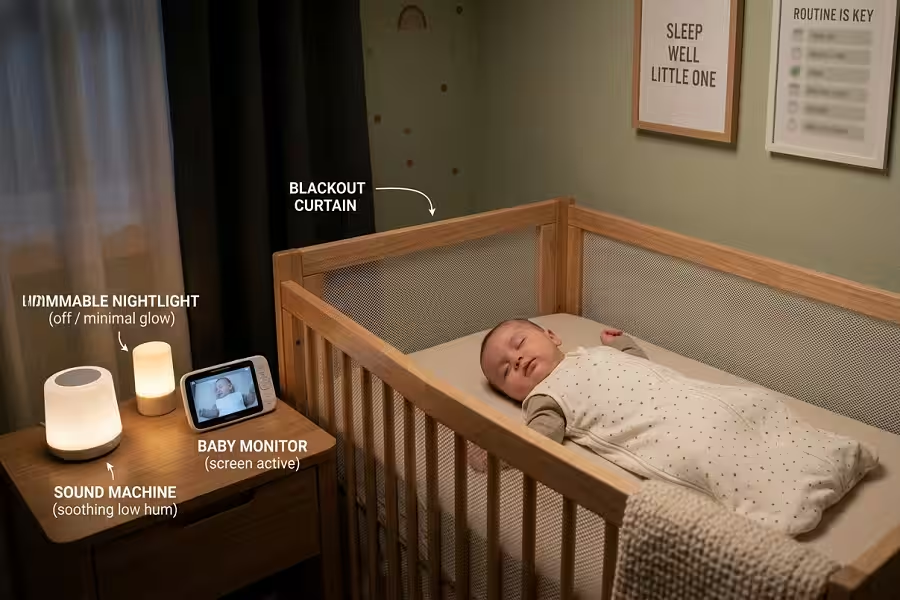
- Maintain a Rigid Bedtime Routine: A consistent sequence of a warm bath, lullabies, or reading a story signals to the baby’s brain that it is time to wind down. Adding a reliable white noise machine can block out household disruptions.
- Enforce Day and Night Separation: Keep the bedroom dark and quiet during the night, and maximize exposure to natural sunlight during daytime hours. This is vital for cementing their internal circadian rhythm.
- Ensure Proper Daytime Sleep: Skipping daytime naps to make a baby “more tired” at night backfires completely. Adequate daytime sleep prevents the build-up of cortisol, helping them stay asleep longer at night.
- Evaluate the Sleeping Surface: Ensure your nursery mattress or portable travel pad offers flat, firm, and breathable support. A comfortable, stable surface minimizes the physical waking triggers when a baby rolls over during a restless phase.
For a complete look at creating a restful environment for your family, check out our comprehensive Sleep Environment Guide.
When to Consult a Pediatrician About Sleep Issues
It is important to remember that not all nighttime disruptions are developmental regressions. If your child is experiencing difficulty breathing, snoring loudly, having persistent night terrors, running a fever, or showing signs of ear pain, consult a professional pediatric physician immediately to rule out underlying medical issues like sleep apnea or infections.
Frequently Asked Questions (FAQs)
Do all babies experience every sleep regression?
No, sleep regressions vary. While the 4-month regression is nearly universal due to neurological shifting, your baby might completely skip the 6-month or 10-month regressions depending on how they process developmental milestones.
Can you prevent a developmental sleep regression?
You cannot prevent developmental sleep regressions because they are linked to vital brain growth and physical milestones. However, maintaining healthy sleep habits minimizes their severity and duration.
Should you feed your baby more during a regression?
If the regression is triggered by a physical growth spurt, your baby may genuinely need extra calories. Offer comfort feedings if needed, but try to avoid creating a long-term habit of waking up solely to feed if they have already mastered night weaning.

Expert in the world of air mattresses and outdoor sleep solutions, with years of experience testing and reviewing products to ensure comfort and durability. My passion is to help people make the best choices for their sleep comfort, whether for camping adventures or overnight guests.