
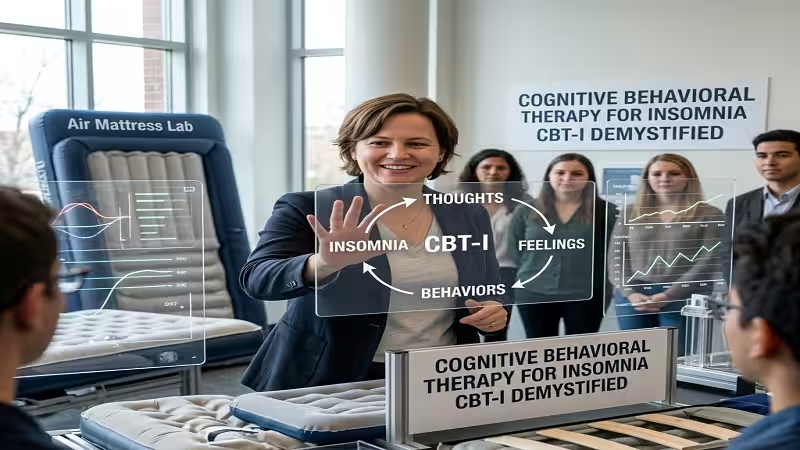
Welcome back to Air Mattress Lab! I am Sarah Collins, and today we are demystifying Cognitive Behavioral Therapy for Insomnia (CBT-I). Persistent sleeplessness severely disrupts daily productivity, mental health, and overall longevity. While many look for quick fixes, CBT-I emerges as a structural behavioral framework, offering practical and sustainable solutions by addressing the interplay between thought patterns, emotions, and sleep environments.
In this comprehensive guide, we delve into the nuances of CBT-I, providing a thorough understanding of its clinical principles, processes, and long-term efficacy. Whether you are struggling with chronic sleep fragmentation or seeking to optimize your immediate bedroom ergonomics, this article offers expert insights to help you reclaim your restorative rest.
Table of contents
Understanding Insomnia
Insomnia is more than occasional sleeplessness; it is a pervasive sleep disorder that impairs a person’s ability to fall asleep, stay asleep, or enjoy deep sleep architectures. This ongoing deprivation leads to daytime fatigue, cognitive drops, and heightened anxiety, deeply affecting your physical quality of life.
Types of Insomnia
- Acute Insomnia: Often triggered by short-term psychological stress or traumatic life events, usually resolving naturally within a few weeks.
- Chronic Insomnia: A persistent condition lasting for several months or longer, deeply linked to underlying physiological, mental, or environmental factors.
Common Root Causes
- Psychological Stress: Chronic worries about work, health, or finances keep the nervous system elevated at night.
- Circadian Disruptions: Travel jet lag, irregular work shift schedules, or inconsistent bedtimes.
- Suboptimal Sleep Surfaces: Utilizing a sagging, unsupportive mattress creates harsh pressure points, forcing frequent tossing and turning.
- Late Evening Habits: Consuming heavy meals or excessive screen exposure close to bedtime.
Symptoms of Insomnia
- Prolonged difficulty falling asleep at night
- Frequent nighttime awakenings without a clear cause
- Waking up too early and failing to fall back asleep
- Daytime fatigue, irritability, and decreased focus
- Increased errors or operational accidents at work

The Core Principles of CBT-I
CBT-I operates on the foundation that your thoughts, feelings, and physical behaviors are deeply interconnected. The core objective is to disrupt the negative feedback loops that fuel chronic sleeplessness.
Cognitive Restructuring
- Identifying Negative Thoughts: Learning to challenge the inaccurate, anxious thoughts surrounding sleep deprivation.
- Mindset Shifts: Replacing irrational sleep expectations with realistic, positive behavioral cognitive frameworks.
Behavioral Interventions & Ergonomics
- Sleep Hygiene Education: Establishing fixed sleep schedules and optimizing your physical environment, including selecting proper bed firmness.
- Stimulus Control Therapy: Restricting bedroom activities to reinforce the brain’s association between the bed and sleep only.
- Sleep Restriction Therapy: Temporarily limiting the exact time spent in bed to increase true sleep efficiency.
Relaxation Techniques & Biofeedback
Practicing progressive muscle relaxation, deep breathing exercises, and monitoring physiological stress indicators help reduce physical muscle tension, gently preparing the body for a deeper transition to sleep.

The Structural Process of CBT-I
Undergoing CBT-I is a personalized, systematic journey that typically unfolds over several weeks to build long-term sleep efficiency.
Initial Clinical Assessment
The foundational step involves a thorough assessment of your sleep diaries, lifestyle habits, and anatomical alignment needs to identify unique disruption triggers.
Core Techniques & Adaptation
- Sleep Mechanics Education: Understanding how daily routines and mattress quality impact deep sleep cycles.
- Behavioral Refinements: Implementing pre-sleep routines that signal the body it is time to wind down naturally.
- Cognitive Reframing: Disarming the anxious belief that you must get a rigid eight hours of sleep to function.
Effectiveness of CBT-I vs. Other Treatments
Clinical data consistently highlights CBT-I as the gold standard for chronic sleep issues. Unlike pharmacological solutions, CBT-I has zero physical side effects and delivers enduring results.
Quick Comparison: CBT-I vs. Sleeping Medications
| Treatment Method | Primary Mechanism | Long-Term Efficacy |
|---|---|---|
| CBT-I Framework | Fixes cognitive anxiety and behavioral habits permanently. | High; enduring sleep quality improvements without relapses. |
| Sleeping Medications | Temporarily sedates the central nervous system. | Low; often leads to physical dependency and symptom return. |
Sarah’s Insights: Implementing CBT-I Principles at Home
Through my extensive testing at Air Mattress Lab, I have realized that behavioral therapy works best when paired with an optimized physical sleep setup. If your mattress is sagging, no amount of cognitive therapy can stop a micro-awakening caused by lumbar strain.
Practical Bedroom Adjustments
- Establish Strict Schedules: Keep a fixed wake-up time every single day.
- Optimize Your Sleep Surface: Ensure your immediate sleep surface is responsive and correctly aligned. For a detailed breakdown of supportive sleep systems, feel free to check our comprehensive guide on insomnia in older adults to understand positional structural relief.
- Limit Screen Exposure: Cut off blue light devices at least an hour before sleep to protect natural melatonin production.
Self-Help Resources
Several self-help resources are available for individuals looking to implement CBT-I strategies independently:
- Books and Workbooks: Highly structured guided workbooks and sleep logs are available directly on Amazon, allowing you to track behavioral milestones and challenge negative sleep thoughts systematically.
- Online Programs and Apps: Digital platforms offer interactive tools and personalized feedback to manage your nightly sleep scores.
Frequently Asked Questions (FAQs)
How does CBT work for insomnia?
CBT-I works by identifying and changing the anxious thoughts, counterproductive habits, and poor sleep environments that sustain chronic sleep disruptions.
What is the difference between CBT and CBT-I?
While traditional CBT addresses broad psychological health conditions like depression or anxiety, CBT-I is a highly specialized protocol designed exclusively to target insomnia and sleep architecture.
Can a poor mattress ruin CBT-I progress?
Yes. Behavioral therapy reduces mental stress, but a sagging mattress creates real physical joint pain and muscle tension, which can trigger nighttime awakenings despite successful therapy.
Conclusion: Reclaiming Your Nights
In conclusion, Cognitive Behavioral Therapy for Insomnia (CBT-I) provides a transformative, evidence-based pathway to breaking the cycle of exhaustion. By combining cognitive changes with strict bedroom ergonomics and supportive sleep surfaces, you can effectively secure a pain-free, fully revitalizing sleep quality.

Expert in the world of air mattresses and outdoor sleep solutions, with years of experience testing and reviewing products to ensure comfort and durability. My passion is to help people make the best choices for their sleep comfort, whether for camping adventures or overnight guests.