

Caring for your outdoor gear is an essential part of any adventure, and a down sleeping bag is a prized possession. Proper care ensures optimal performance during outdoor escapades, maintains insulation, and extends the lifespan of your investment. Whether you are a trekker or a casual camper, understanding how to wash and maintain your gear properly is crucial.
Table of contents
Quick Guide: Down Sleeping Bag Washing Checklist
If you need a quick overview before starting, use this summary table to ensure you have the right setup for cleaning your down gear safely:
| Washing Stage | Key Requirement | What to Avoid |
|---|---|---|
| Detergent Choice | Gentle, down-specific soap (Down Wash). | Standard laundry detergents & fabric softeners. |
| Washing Method | Hand wash in a bathtub OR front-loading machine. | Top-loading machines with a center agitator. |
| Drying Process | Low heat setting with clean tennis or dryer balls. | High heat, air drying flat without fluffing, or wringing. |
Understanding Down Sleeping Bags & Why Proper Care Matters
Down sleeping bags blend comfort and natural insulation. The primary filling is down—the soft, fluffy undercoating found beneath the feathers of ducks and geese. This unique spherical structure traps air efficiently, creating an exceptional warmth-to-weight ratio highly valued by outdoor enthusiasts.
The Importance of Fill Power and Care
A critical measure for insulation quality is “fill power,” which gauges the loft or fluffiness of the down. However, moisture, body oils, and dirt can compromise this loft over time, causing the down clusters to clump together and lose their warming capabilities. Regular, careful maintenance is imperative to restore the bag’s performance and structural health.
Down’s Vulnerabilities
- Moisture Sensitivity: Wet down completely loses its insulating properties, flattening out and failing to retain body heat.
- Prolonged Compression: Keeping a sleeping bag tightly packed in a compression sack for extended periods damages the delicate fibers and degrades its long-term loft.
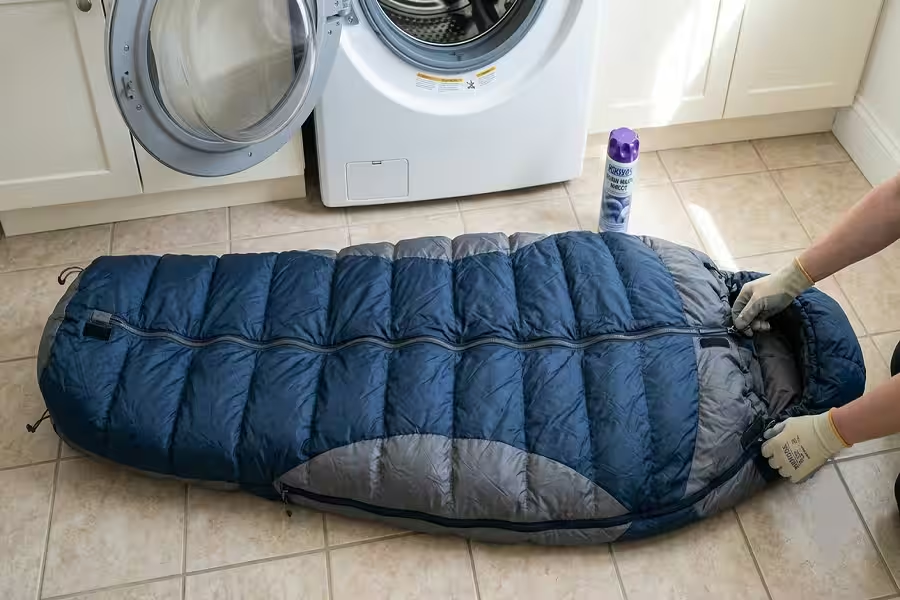
Preparation for Washing Your Sleeping Bag
Proper preparation prevents accidental tearing and ensures an even clean throughout the fabric layers.
- Check Manufacturer Labels: Always read the specific instructions attached to your bag, taking note of explicit water temperature limits or fabric warnings.
- Secure All Fasteners: Empty all pockets, close ventilation zippers, and fasten any Velcro straps or hooks to prevent snagging during the wash cycle.
- Pre-Treat Heavy Soiling: Use a damp cloth and a small amount of down wash to gently spot-clean high-contact areas like the hood and collar before treating the whole bag.
Step-by-Step Washing Guide
Washing down requires patience and a gentle touch. Choose one of the two safe cleaning methods below:
Method 1: Safe Machine Washing
If using a machine, it is critical to use a large, front-loading washing machine. Avoid standard top-loaders with mechanical agitators, as they can easily rip internal baffling.
- Set the washer to a gentle, delicate, or wool cycle with cold or lukewarm water.
- Add a specialized cleaner, such as Nikwax Down Wash, following the product’s dosage guidelines.
- Run an extra rinse cycle after the main wash to guarantee all soap residue is thoroughly flushed from the internal down clusters.
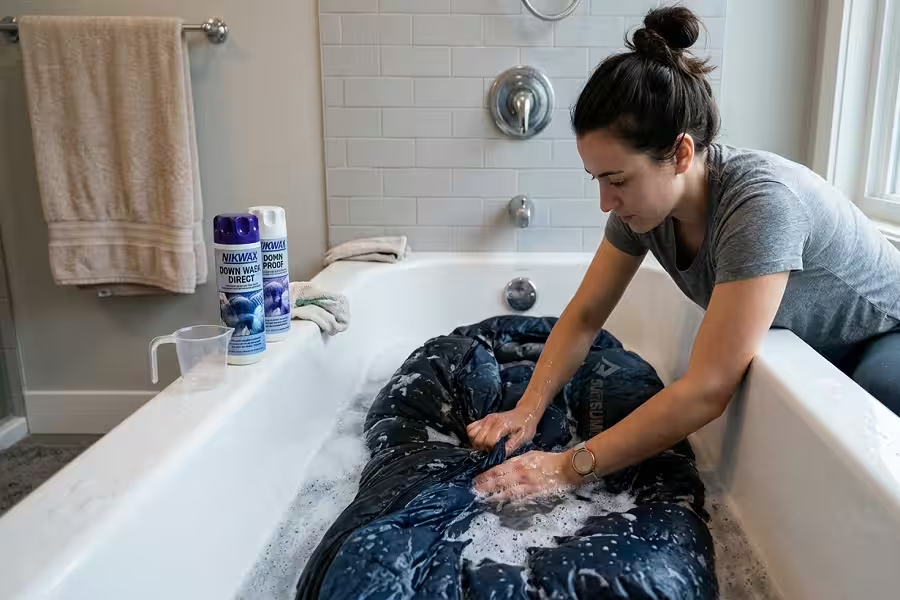
Method 2: Gentle Hand Washing
- Fill a clean bathtub or large basin with lukewarm water and mix in your down-specific detergent.
- Submerge the sleeping bag completely, pressing down gently to release trapped air, and let it soak for 15 to 30 minutes.
- Gently massage the fabric to work out deep dirt. Drain the soapy water and refill the tub with clean water, repeating the rinse process until the water stays completely clear.
Essential Drying and Maintenance Techniques
Drying is the most critical phase of cleaning down gear. Improper drying can lead to permanent clumping or mildew growth.
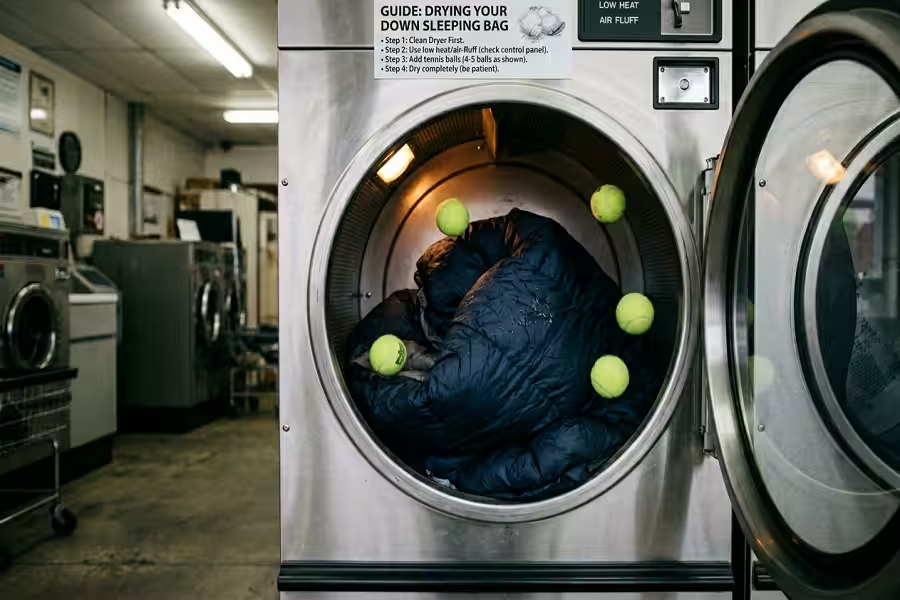
The Drying Process
- Extract Water Carefully: Never wring or twist the bag. Gently press out excess water while supporting the entire weight of the wet bag to avoid ripping the internal seams.
- Use a Large Capacity Dryer: Transfer the bag to a spacious commercial or household dryer. Select a low-heat or air-fluff setting; high heat can melt nylon shells or damage down filaments.
- The Tennis Ball Trick: Toss two or three clean tennis balls or specialized dryer balls into the drum. As they tumble, they break up wet down clumps and actively restore the bag’s loft.
- Be Patient: Thoroughly drying a down bag often takes several hours. Periodically stop the cycle to manually check for damp clumps and spread them out.
Long-Term Storage and Care Tips
- Avoid Tight Compression: Once completely dry, store the sleeping bag loosely in a large, breathable cotton or mesh storage sack. Never leave it compressed in a travel stuff sack.
- Air It Out Post-Trip: After every outdoor excursion, hang the bag in a dry, well-ventilated room for 24–48 hours to remove any residual body moisture before long-term storage.
- Keep it Cool and Dry: Store gear in climate-controlled areas. Avoid damp basements or hot attics that promote material degradation.
Expert Insights: A Psychological Perspective
Caring for outdoor gear, mainly down sleeping bags, transcends cleanliness and extends into psychological well-being. From a psychological standpoint, maintaining and caring for one’s belongings provides a tangible area where effort directly translates to a positive outcome. This sense of control is crucial for mental health, fostering feelings of competence and self-efficacy.
Furthermore, the cleanliness and readiness of a down sleeping bag significantly influence your sleep environment. A well-maintained sleeping bag enhances the sleep experience, providing optimal comfort and warmth. For outdoor enthusiasts or individuals focused on sleep quality improvement, a clean, fluffy, and comfortable sleeping bag directly contributes to better sleep hygiene, reducing nighttime awakenings and ensuring you wake up refreshed for the next day’s adventure.
Frequently Asked Questions (FAQ)
What is the best way to wash a down sleeping bag?
The safest method is hand washing in a bathtub using lukewarm water and a down-specific cleaner, or using a front-loading washing machine on a delicate, low-spin cycle.
Can I use regular laundry detergent for down gear?
No. Regular household detergents strip away the natural, protective oils present on down filaments, causing them to become brittle, lose loft, and break down prematurely.
How long does a quality down sleeping bag last?
With regular cleaning, proper loft restoration, and uncompressed storage, a premium down sleeping bag can easily maintain its performance for 10 to 15 years or more.
How do I fix clumped down after washing?
Tumble the bag on low heat with clean tennis balls. If clumps persist, carefully pull them apart manually through the shell fabric and return the bag to the dryer to finish fluffing.
Final Conclusion
Maintaining your outdoor sleeping gear is a smart investment in comfort and safety. By utilizing specialized cleaners, avoiding high heat, and choosing uncompressed storage, you can preserve the crucial insulation qualities of your down sleeping bag. Treat your gear with care, and it will remain a reliable, warm companion for many more comfortable nights under the stars.

Expert in the world of air mattresses and outdoor sleep solutions, with years of experience testing and reviewing products to ensure comfort and durability. My passion is to help people make the best choices for their sleep comfort, whether for camping adventures or overnight guests.