
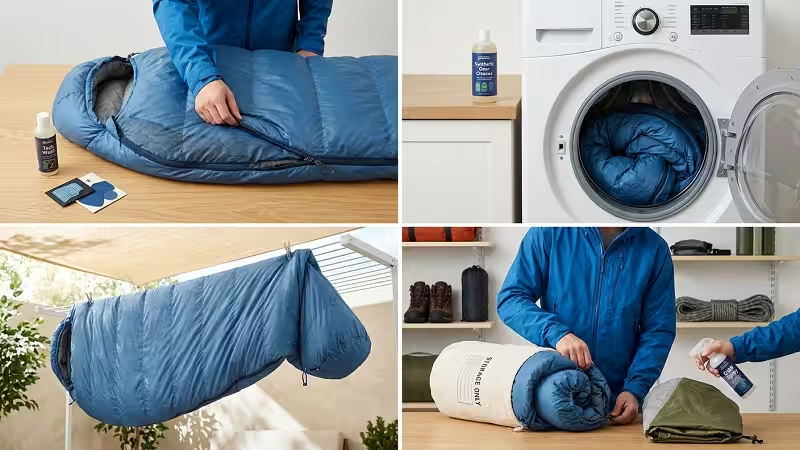
As we embark on outdoor adventures, the gear we carry becomes an extension of our home. Among these, a synthetic sleeping bag is a cocoon of comfort and warmth in the wilderness. However, keeping this trusted gear clean is often overlooked amidst the excitement of exploring the great outdoors. This oversight leads to reduced insulation, unpleasant odours, and a shortened lifespan for your camping companion.
This guide provides clear, practical sleeping bag washing instructions specifically tailored for synthetic and polyester insulation. By understanding the appropriate cleaning, drying, and care techniques, outdoor enthusiasts can ensure their gear remains a reliable partner on every escapade.
Table of contents
Quick Summary: Synthetic Sleeping Bag Care Checklist
If you are in a hurry, use this quick reference table to get the core washing requirements for polyester and synthetic sleeping bags:
| Care Step | Best Practice | What to Avoid |
|---|---|---|
| Soap Selection | Gentle tech wash or mild, non-detergent soap. | Fabric softeners, bleach, & heavy household detergents. |
| Machine Type | Front-loading washer or top-loader without an agitator. | Standard top-loaders with a center mechanical agitator. |
| Drying Method | Tumble dry on low heat with 2-3 clean tennis balls. | High heat dryer settings or hanging on a clothesline while wet. |
Understanding Synthetic Sleeping Bags & Why Material Matters
Synthetic sleeping bags are typically engineered from polyester or manufactured microfiber clusters. Unlike natural down, synthetic fibers are known for their extreme durability, ease of maintenance, and unique ability to insulate even when damp. They are less delicate, making them highly resilient against regular machine washes.
However, even the toughest polyester insulation requires the correct cleaning methods. Using harsh chemicals or aggressive wash cycles can still tear the internal stitching or bunch up the insulation layers, leading to cold spots during your night under the stars.
Pre-Wash Care: Inspections and Stain Pre-Treatment
Before immersing your synthetic sleeping bag in water, a quick pre-wash inspection prevents permanent damage during the cleaning cycle.
- Look for Tears and Holes: Inspect the outer nylon or polyester shell closely. Small tears expand rapidly inside a washing machine, leading to loose insulation fibers. Repair any rips before washing.
- Secure the Hardware: Unzip the main compartment completely to ensure a thorough wash, but secure any loose Velcro tabs, drawcords, or hooks that might snag the fabric.
- Pre-Treat Heavy Stains: Outdoor trips leave concentrated dirt, sweat, and oils around the collar and hood. Apply a mild spot cleaner or a gentle tech wash directly to these areas using a soft cloth or toothbrush before the full wash.
Step-by-Step Synthetic Sleeping Bag Washing Instructions
While synthetic materials are highly durable, avoiding top-loading washing machines with a center agitator is highly recommended. The mechanical agitator can catch the bag, warping the internal insulation permanently. A front-loading washing machine or a spacious bathtub is the safest choice.
Machine Washing Method
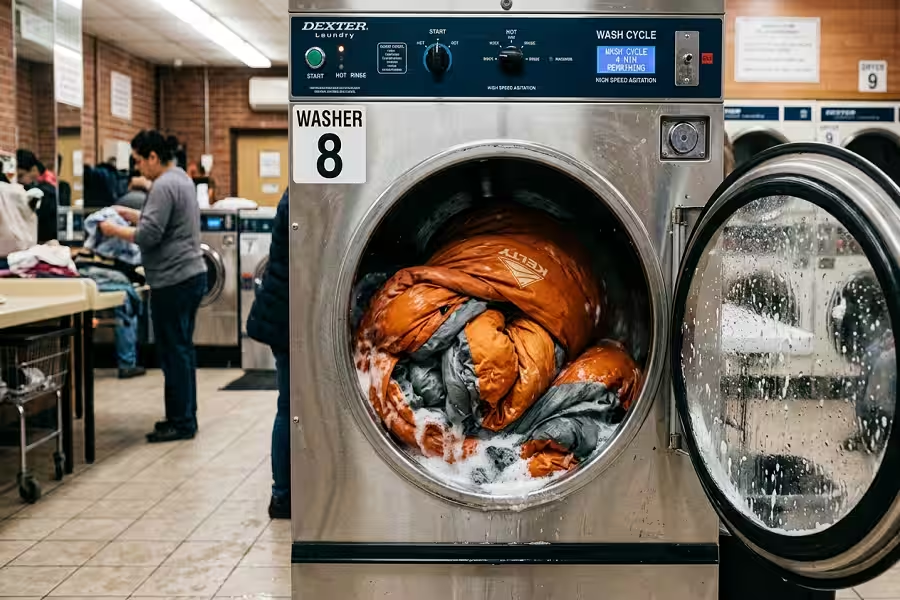
- Place the unzipped sleeping bag into a large-capacity, front-loading washing machine.
- Use a mild, non-detergent technical soap specifically formulated for outdoor fabrics, such as Grangers Performance Wash. Avoid standard household detergents, fabric softeners, and bleach, as they leave chemical residues that degrade polyester fibers.
- Set the machine to a gentle, delicate cycle using cold or lukewarm water.
- Run an additional rinse and spin cycle to guarantee that every trace of soap is thoroughly flushed out.
Hand Washing Method
- Fill a clean bathtub with lukewarm water and mix in a small amount of gentle gear cleaner.
- Submerge the bag entirely, pressing down firmly to release trapped air, and let it soak for 20 to 30 minutes.
- Gently massage the fabric to loosen ground-in dirt. Drain the dirty water and refill the tub with fresh water, repeating the rinse process until the water runs completely clear.
Drying and Long-Term Storage Techniques
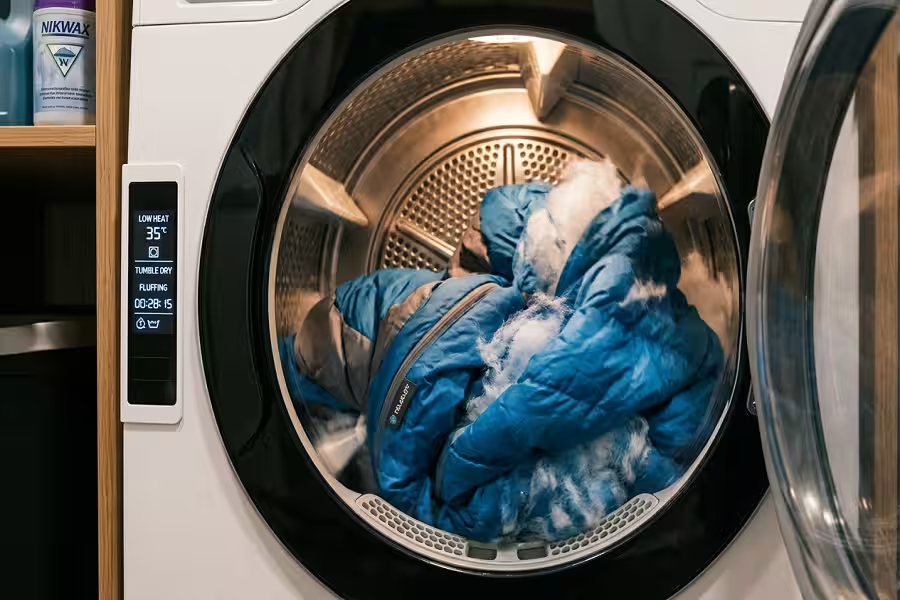
Drying your gear correctly is just as critical as the wash itself to prevent mildew growth and maintain the original shape.
- Tumble Drying (Recommended for Synthetic): Place the bag in a large commercial dryer on a low-heat setting. High heat can easily melt synthetic nylon shells. Toss in two clean tennis balls or dryer balls to help fluff up the internal polyester strands as they dry.
- Air Drying Alternative: If air drying, lay the bag completely flat on a clean towel or rack in a shaded, well-ventilated space. Avoid hanging it on a traditional clothesline, as the heavy weight of wet insulation can stretch the internal seams.
- Uncompressed Long-Term Storage: Never store your synthetic sleeping bag tightly packed inside its travel stuff sack. Instead, place it loosely inside a large, breathable cotton or mesh storage bag in a cool, dry closet. This preserves the structural loft over time.
The Psychology of Gear Maintenance
From a psychological standpoint, preparing for an outdoor adventure by cleaning and organizing your equipment builds a strong mindset of self-efficacy and control. This practical ritual acts as a cognitive transition, reducing pre-trip anxiety and increasing outdoor confidence. Caring for your sleeping environment directly improves your mental clarity and sleep quality in the wilderness, turning a standard chore into a mindful, therapeutic ritual that deepens your connection to nature.
Frequently Asked Questions (FAQ)
Should you wash a sleeping bag zipped or unzipped?
It is highly recommended to wash a synthetic sleeping bag unzipped. This allows water and soap to circulate freely throughout the interior fabric and prevents the heavy zipper teeth from straining or tearing the shell fabric during the spin cycle.
Can I wash my synthetic sleeping bag in a regular washing machine?
Yes, provided it is a front-loading machine or a top-loader without an agitator. Traditional top-loaders with center agitators can easily snag, tear, or twist the internal synthetic insulation pads.
How do you address mold and persistent odors in synthetic gear?
For localized mold spots, clean the area gently using a sponge dipped in a mix of warm water, lemon juice, and salt. For deep odors, a gentle pre-soak with a cup of baking soda mixed into warm water before the main wash works exceptionally well.
Can you use fabric softener on polyester sleeping bags?
No. Fabric softeners leave a waxy chemical coating on synthetic fibers. This clogs the weave, heavily reducing the material’s breathability and moisture-wicking capabilities.
Conclusion
Following proper sleeping bag washing instructions is a simple yet highly effective investment in your outdoor safety and comfort. By sticking to front-loading machines, utilizing non-detergent soaps, and practicing loose storage, you keep your synthetic gear plush, warm, and ready for your next stargazing adventure. Treat your gear with care, and it will keep you warm for years to come.

Expert in the world of air mattresses and outdoor sleep solutions, with years of experience testing and reviewing products to ensure comfort and durability. My passion is to help people make the best choices for their sleep comfort, whether for camping adventures or overnight guests.