
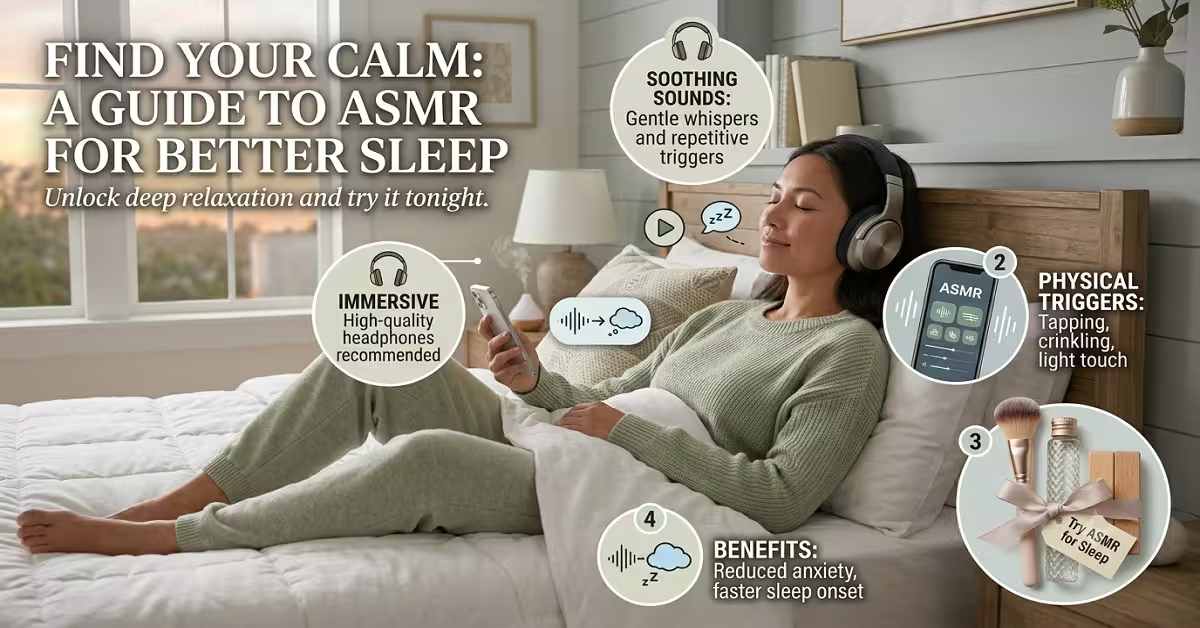
In a world constantly buzzing with activity, finding solace in simple sounds can be a transformative experience. Today, Autonomous Sensory Meridian Response (ASMR) has emerged as a fascinating, non-pharmacological tool. Many individuals now use it in their quest for deep relaxation and quality sleep. Therefore, if you struggle with nighttime restlessness, ASMR offers a unique and soothing avenue to explore and upgrade your modern sleep hygiene.
This article delves deep into the mechanisms of ASMR for sleep. Specifically, we unravel its neurological ability to induce calm. Furthermore, we highlight various effective triggers that can enhance your nightly bedtime routine. By integrating scientific insights with practical tips, we aim to demystify how these gentle sensory experiences transform your nightly rest.
Table of contents
What is ASMR and How Does It Feel?
Autonomous Sensory Meridian Response (ASMR) encapsulates a unique and pleasurable sensation. Usually, individuals experience this physical response due to specific auditory, visual, or tactile stimuli. People typically describe the feeling as a static-like tingling sensation. This pleasant tingle starts at the scalp and moves down the back of the neck and upper spine. Consequently, it acts like a comforting electric current that brings about deep relaxation and immediate sleepiness.
Although the term ASMR was officially coined in 2010, the phenomenon has existed for centuries. Recently, it gained massive prominence with the rise of digital media platforms like YouTube. On these channels, specialized creators called ‘ASMRtists’ produce audio-visual content. They design these specific videos to trigger calming physical responses in listeners.

Generally, ASMR triggers fall into two main categories: intentional and unintentional. Intentional triggers include deliberate actions like soft whispering or slow hand movements into a microphone. On the other hand, unintentional triggers occur accidentally in everyday life. For example, the rhythmic sound of rustling leaves or the gentle, focused tone of a librarian can trigger the sensation.
The Science of ASMR for Sleep and Relaxation
Scientifically, ASMR involves a complex interplay of psychological and physiological factors. It is far more than just a subjective digital trend. In fact, modern neuroimaging studies utilizing functional magnetic resonance imaging (fMRI) prove its validity. These scans show that listening to ASMR triggers elicits genuine, measurable changes in brain activity.
When exposed to effective stimuli, listeners show brain patterns similar to meditation and mindfulness practices. Specifically, scientists observe increased activity in brain regions associated with emotion, empathy, and social bonding. Because this sensory engagement quietens the mind’s default network, it successfully distracts you from anxiety-inducing thoughts and everyday stress.
Physiologically, the slow and repetitive nature of ASMR acts as a sensory meditation. Therefore, it helps reduce the physical symptoms of stress. The triggers effectively lower your heart rate and reduce cortisol levels. As a result, this chemical shift creates the ideal conditions for transitioning your body smoothly into a deep, restful state of sleep.
Common ASMR Triggers for Sleep to Try at Bedtime
ASMR triggers are highly individualized. This means each person responds differently to various sounds and visuals. For this reason, experimentation is key to finding what resonates with your nervous system. Here are the most popular and effective ASMR triggers for sleep:
- Gentle Whispering: Soft, slow whispering close to a binaural microphone is a reliable trigger. Because a whispered voice has an intimate and nurturing quality, it creates an immediate sense of security before bed.
- Rhythmic Tapping and Scratching: The crisp sounds of fingernails tapping on surfaces like wood, glass, or plastic produce a mesmerizing effect. Consequently, these rhythmic sounds lead to quick drowsiness.
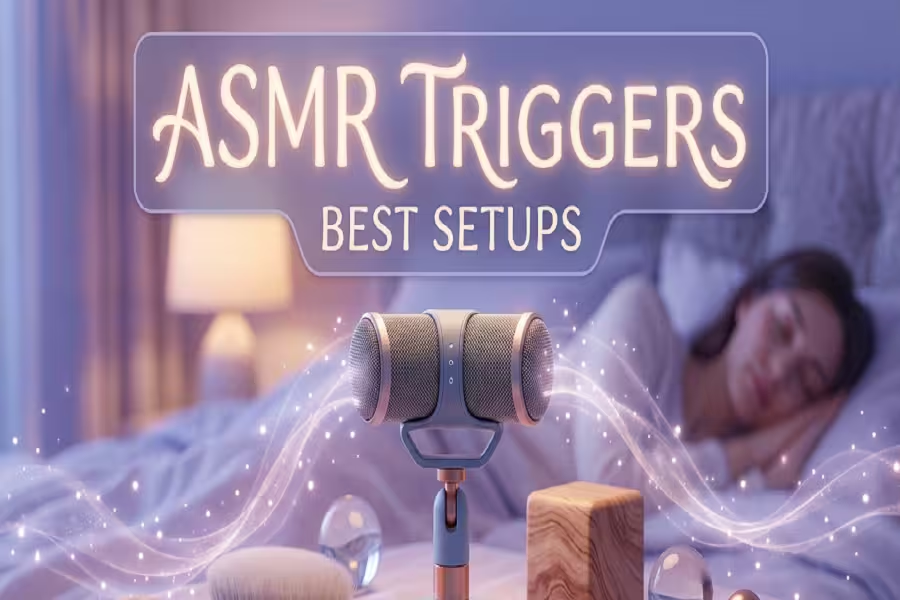
- Slow Page Turning: The sound of turning book pages slowly is incredibly soothing. The combination of gentle paper rustling and predictable intervals helps ease an overactive mind.
- Personal Attention Role-Plays: Video scenarios depicting close personal attention—such as a simulated haircut or a spa treatment—are highly effective. They emulate the comforting feeling of being safe and cared for.
- Soft Brushing Sounds: The steady, sweeping sound of makeup brushes moving across a microphone screen provides a continuous, relaxing white-noise effect. Therefore, it easily masks sudden background disturbances.
- Nature and Ambient Sounds: Sounds like gentle rainfall or distant waves connect the listener with the organic rhythms of nature. Thus, they serve as traditional yet powerful sleep aids.
The Neurochemistry Behind the Tingles
From a neurochemical perspective, researchers believe that ASMR encourages the brain to release a cocktail of feel-good neurotransmitters. For instance, intense feelings of comfort are closely linked to the release of dopamine and oxytocin. These chemicals are well-known for inducing feelings of safety and deep peace.
Additionally, the release of serotonin and endorphins during an ASMR session helps regulate mood. These hormones directly influence your natural circadian rhythm. By flooding the nervous system with these calming chemicals, ASMR mitigates nighttime loneliness and insomnia without any pharmacological interventions.
Setting Up Your Bedroom for the Best ASMR Sleep Experience
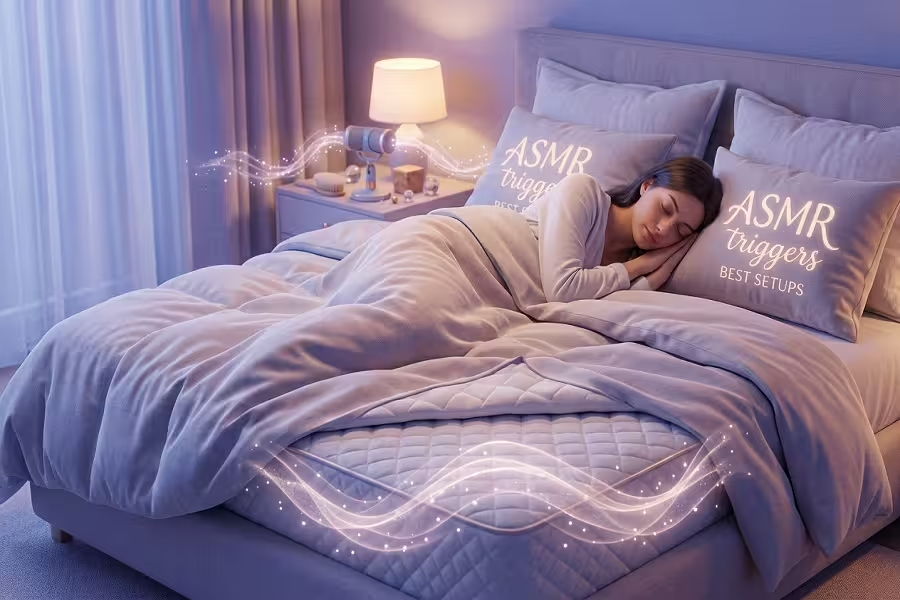
To fully capitalize on the benefits of ASMR for sleep, your physical environment must complement the audio experience. Tuning in while lying on an uncomfortable bed will limit the effectiveness of the relaxation response.
For the ultimate setup, ensure your bedroom is completely dark and cool. Pair your ASMR audio with a highly supportive mattress. Additionally, add a clean, fresh mattress pad to optimize physical comfort. Finally, use comfortable, sleep-safe headphones to enhance the binaural 3D stereo effect. This makes the triggers feel real, leading to a much faster transition into deep sleep.
Frequently Asked Questions About ASMR
Is ASMR real or just a placebo effect?
Yes, ASMR is a real psychological and physiological phenomenon. Although it is subjective, modern brain scan studies (fMRI) have proven its validity. Those who experience it show distinct changes in brain activity and a real reduction in heart rate when exposed to triggers.
Is listening to ASMR bad for your brain or hearing?
There is absolutely no scientific evidence suggesting ASMR harms the brain. It is a completely safe, non-invasive relaxation method. However, to protect your hearing, you must enjoy ASMR at a safe volume level, especially when using earbuds overnight.
What happens if you fall asleep while listening to ASMR?
Falling asleep during an ASMR video is perfectly fine and highly common. It helps maintain a low heart rate as you transition into deep sleep stages. Just ensure your playback device has a sleep timer to avoid waking up later from headphone discomfort.
Why do some people not feel ASMR tingles?
Human neurological wiring varies greatly from person to person. Some people possess the specific brain connectivity required to link these auditory inputs to physical tingles. However, even if you don’t feel the tingles, you can still benefit from the calming white-noise effect.

Conclusion: Integrating Sensory Relaxation Into Your Sleep Hygiene
In exploring ASMR for sleep, it becomes clear that this phenomenon is a legitimate, accessible tool for mental relaxation. By gently engaging our sensory responses, ASMR helps combat bedtime anxiety and overactive thinking. Therefore, it paves a smoother path to high-quality sleep.
The core power of ASMR lies in its ability to fulfill our intrinsic emotional needs for safety and comfort. Whether you are a long-time enthusiast who relies on crisp tapping sounds or a curious newcomer experimenting with soft whispering, the potential benefits to your nightly rest are undeniable.
By blending an optimal physical environment—complete with a comfortable bed setup—with the psychological relief of your favorite triggers, you cultivate an effective sleep routine. Embrace the quiet world of sensory relaxation today, and give yourself the gift of a truly restorative night’s rest.

Expert in the world of air mattresses and outdoor sleep solutions, with years of experience testing and reviewing products to ensure comfort and durability. My passion is to help people make the best choices for their sleep comfort, whether for camping adventures or overnight guests.