
Table of contents
Overview of Anxiety and Insomnia
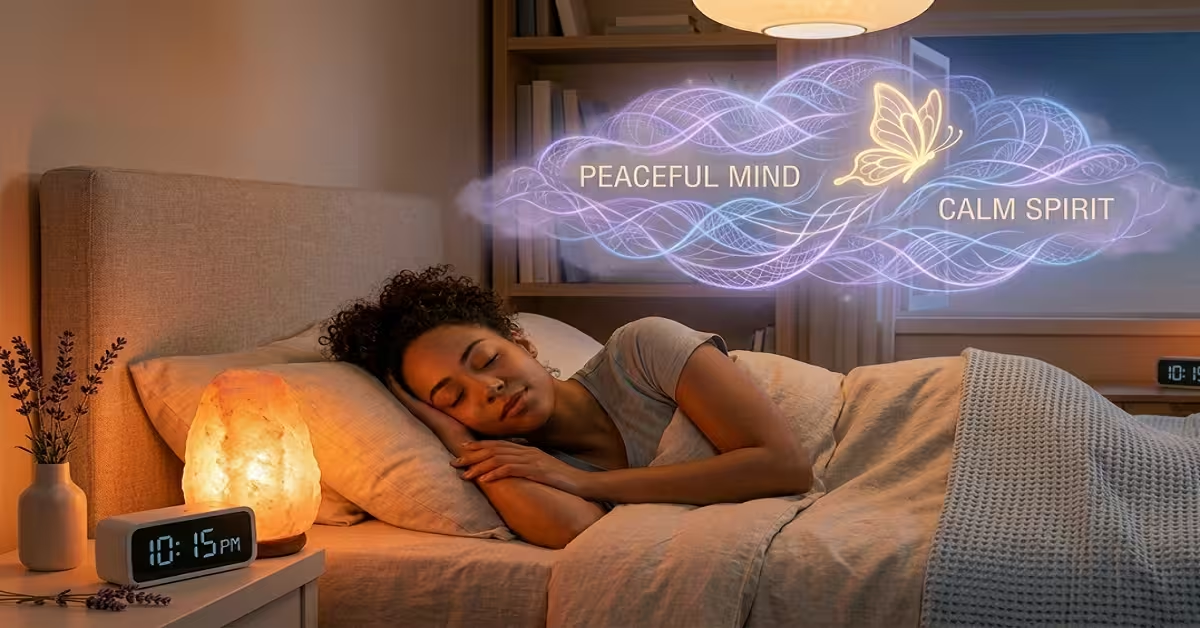
In today’s fast-paced world, anxiety and insomnia are becoming increasingly prevalent. Anxiety affects our mental well-being through excessive worry and fear. Meanwhile, insomnia impacts our physical health by destroying our ability to fall or stay asleep. Although they seem distinct, these two conditions often intertwine in a complex dance, profoundly affecting daily lives.
Understanding and addressing the relationship between anxiety and insomnia is crucial. Left unchecked, this interplay quickly creates a vicious cycle. Specifically, anxiety disrupts your night, and poor sleep exacerbates your daytime stress. This comprehensive guide unravels this intricate relationship, providing actionable insights and strategies to manage both conditions effectively.
Understanding the Connection Between Anxiety and Insomnia
Anxiety is a natural stress response characterized by persistent feelings of fear and nervousness. When these feelings interfere with daily life, they point to an anxiety disorder. On the other hand, insomnia is a medical sleep disorder. Individuals with insomnia struggle with non-restorative sleep, despite having a comfortable bedroom environment. This leads to intense daytime fatigue and chronic mood disturbances.
The biological relationship between anxiety and insomnia is intricate and bidirectional. For instance, anxiety leads to racing thoughts, increased heart rate, and intense physiological arousal. Naturally, these symptoms make sleep difficult. In turn, severe sleep deprivation worsens your daytime anxiety. This dangerous feedback loop can be incredibly challenging to break without targeted lifestyle changes.
How Anxiety Triggers Insomnia at Bedtime
Anxiety impacts your nightly sleep quality through several physical and psychological mechanisms. Understanding these triggers is the first step toward reclaiming your rest:
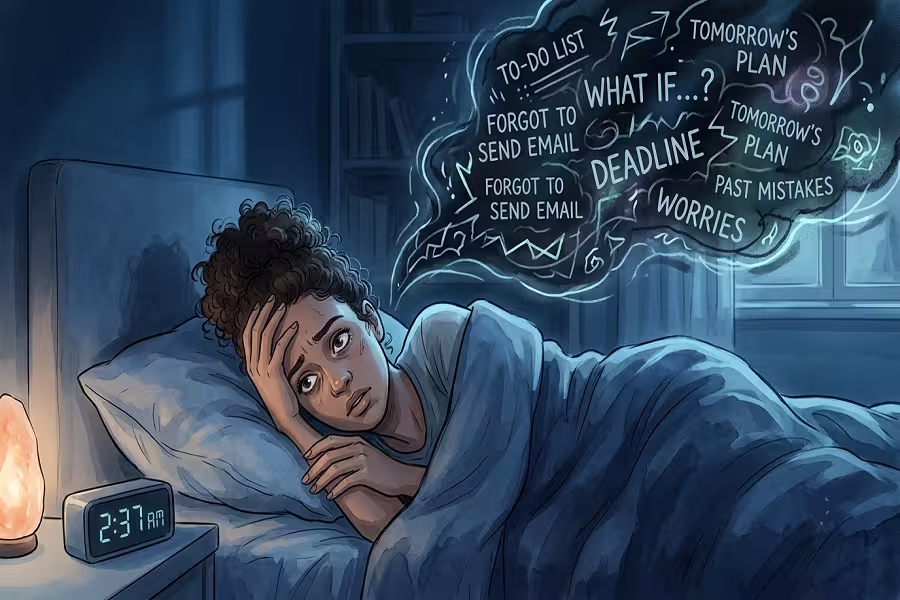
- Hyperarousal: Anxiety forces your brain into a state of heightened alertness. Physiologically, your body floods your system with cortisol and adrenaline, which actively prevents sleep.
- Ruminating Thoughts: Anxious individuals often get trapped in a cycle of negative thinking in the quiet of the night. These racing thoughts prevent the onset of deep sleep.
- Behavioral Conditioning: Over time, your brain associates your bed with stress and wakefulness instead of relaxation and recovery.
Breaking the Cycle: Effective Treatments for Anxiety-Induced Insomnia
Breaking the cycle of anxiety-induced insomnia requires a multifaceted approach. Combining lifestyle modifications with professional guidance yields the best long-term results.
1. Practical Lifestyle Modifications
Consistency is key to regulating your body’s internal biological clock. First, establish a strict sleep schedule by waking up at the same time daily. Second, limit caffeine and alcohol consumption in the afternoon, as both substances trigger nighttime panic. Finally, integrate mindfulness meditation and deep breathing exercises into your evening routine to lower your heart rate before bed.
2. Proven Psychological Therapies
Cognitive-Behavioral Therapy for Insomnia (CBT-I) is highly effective. This therapeutic framework helps you identify, challenge, and eliminate the negative thought patterns that disrupt your sleep. Additionally, mindfulness-based stress reduction teaches your mind to stay present, preventing bedtime worry from escalating.
Expert Sleep Insights: Optimizing Your Bedroom for Stress Relief
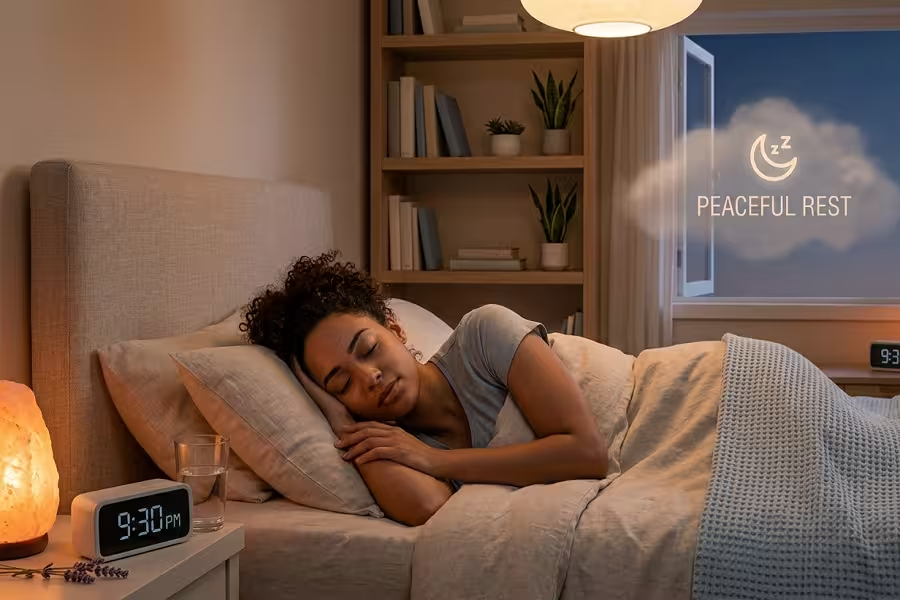
As sleep environment experts, we know that your psychological state reacts heavily to your physical comfort. Treating anxiety and insomnia is significantly harder if you are sleeping on an unsupportive surface. Physical discomfort creates micro-awakenings, which your brain interprets as threat signals, spiking your nighttime anxiety.
To optimize your sleep hygiene, ensure your room remains completely dark, quiet, and cool. Pair your relaxation techniques with a high-quality, pressure-relieving mattress. Adding a fresh, breathable mattress pad can dramatically improve your physical comfort, signaling safety to your nervous system and allowing you to drift off peacefully.
Daily Habits for Managing Bedtime Anxiety
Small habits accumulate to deliver significant improvements over time. Use this checklist to upgrade your nightly sleep routine:
- Develop a Pre-Sleep Ritual: Spend 30 minutes reading a physical book or taking a warm bath to signal your body to wind down.
- Enforce a Digital Detox: Turn off all smartphones and screens at least one hour before bed. Blue light actively suppresses melatonin production.
- Practice the 4-7-8 Breathing Method: Inhale for 4 seconds, hold for 7, and exhale for 8 seconds to trigger immediate physical relaxation.
 FAQs: Understanding Anxiety and Insomnia
 FAQs: Understanding Anxiety and Insomnia
How do you treat insomnia caused by anxiety?
Successful treatment requires addressing both conditions simultaneously. Combine consistent sleep hygiene, Cognitive-Behavioral Therapy (CBT-I), and physical relaxation techniques to calm your nervous system before bed.
Does anxiety directly cause chronic insomnia?
Yes, anxiety is a leading cause of chronic insomnia. The chemical hyperarousal and racing thoughts associated with high stress actively prevent the brain from transitioning into deep, restorative sleep stages.
Can upgrading my mattress pad help reduce bedtime anxiety?
While a mattress pad cannot cure an anxiety disorder, optimizing your physical comfort reduces physical tension. A comfortable bed prevents tossing and turning, which helps keep your mind calm.
Conclusion: Cultivating Sustainable Sleep Hygiene
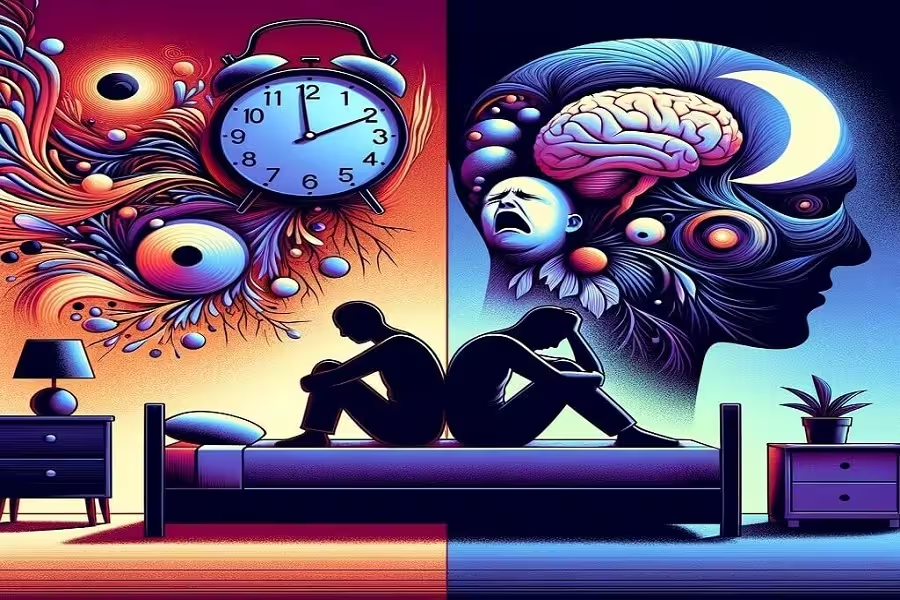
In conclusion, the bidirectional relationship between anxiety and insomnia demands careful attention. Anxiety triggers sleep disruptions, and poor sleep quality intensifies emotional stress. However, this cycle is entirely breakable with patience and consistency.
By blending an optimal physical environment—including a supportive bed setup—with proven psychological strategies, you can successfully reclaim your nights. According to Sleep Foundation, managing stress is the most critical factor in overcoming chronic sleep disturbances. Embrace these positive lifestyle changes today, and give yourself the gift of a truly restorative night’s rest.

Expert in the world of air mattresses and outdoor sleep solutions, with years of experience testing and reviewing products to ensure comfort and durability. My passion is to help people make the best choices for their sleep comfort, whether for camping adventures or overnight guests.