
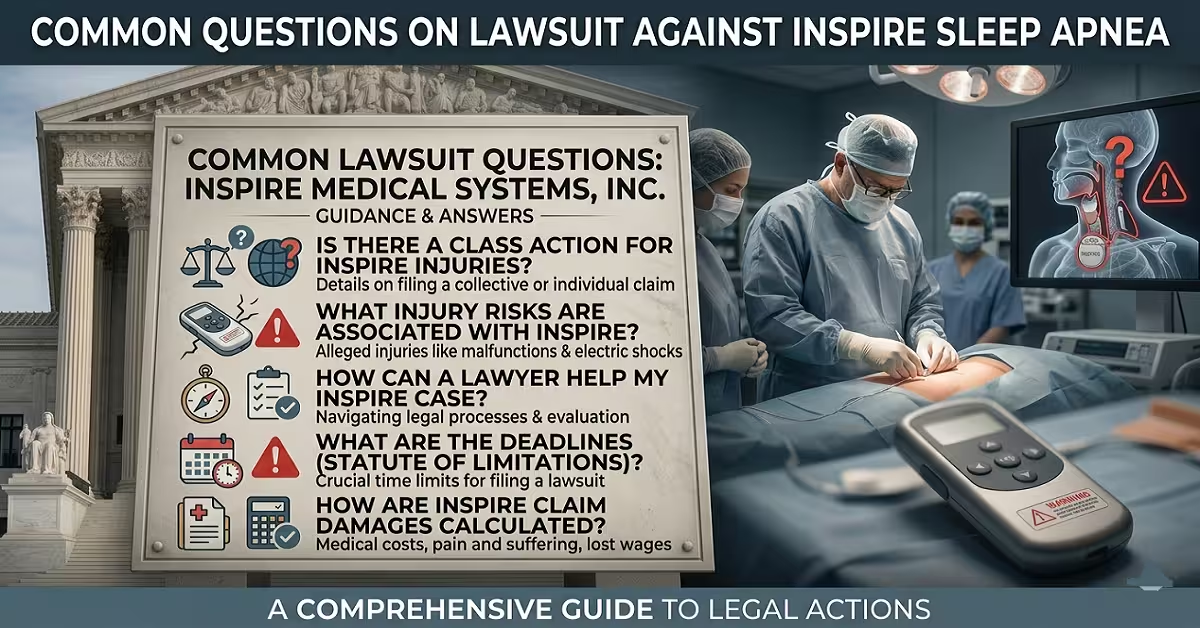
 In recent years, the conversation around obstructive sleep apnea treatments has shifted significantly. The advent of Inspire Sleep Apnea Treatment promised a revolutionary approach for patients. It offered relief for those suffering from this challenging condition. However, recent legal challenges have raised major concerns. The ongoing lawsuit against inspire sleep apnea therapy has sparked interest and worry among patients, doctors, and investors alike.
Sleep apnea is characterized by frequent pauses in breathing during sleep, affecting millions worldwide. Traditional treatments like CPAP machines have long been the medical standard. However, CPAP masks are often uncomfortable and unsuitable for every patient. Inspire introduced an implanted device that stimulates airway muscles from within. While hailed as a game-changer, the recent lawsuit against Inspire Medical Systems highlights the delicate balance between medical innovation and consumer safety.
Table of contents
What is Inspire Sleep Apnea Treatment?
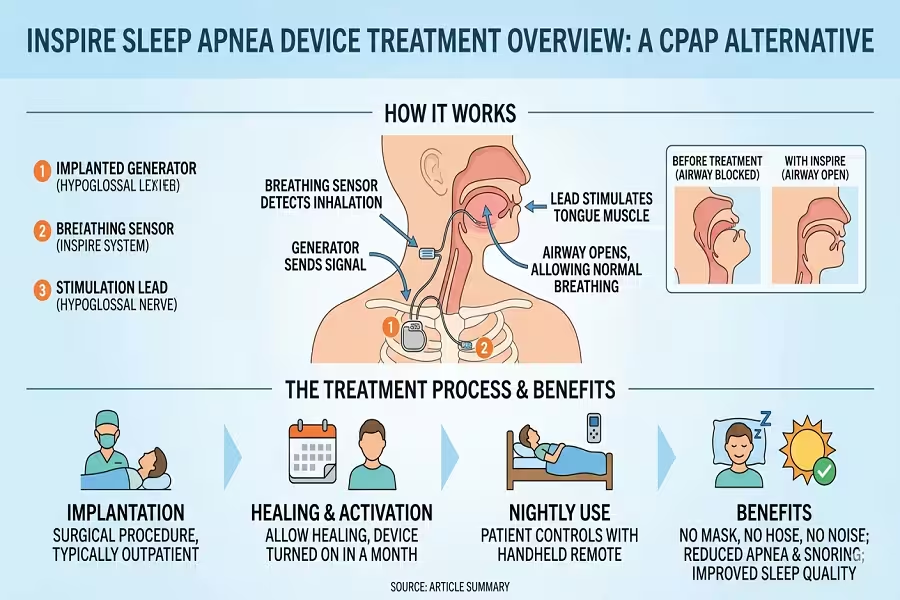
Inspire Sleep Apnea Treatment represents a groundbreaking shift in managing obstructive sleep apnea (OSA). Unlike traditional treatments like the CPAP machine, Inspire works from within. It offers a viable alternative for individuals who find external masks cumbersome or ineffective.
The system features a small device implanted under the skin in the upper chest area. This device connects to a stimulation lead near the hypoglossal nerve, which controls tongue movement. It also uses a sensing lead to monitor sleeping breathing patterns. When it detects a breathing pause, it gently stimulates the nerve. This moves the tongue out of the airway to maintain open breathing seamlessly throughout the night.
Patients activate the system each night using a small handheld remote before bed. Eligibility typically requires a moderate to severe OSA diagnosis, a body mass index (BMI) within a specific range, and a history of struggling with CPAP compliance. While the technology is innovative, growing legal scrutiny has forced patients to look closer at the potential risks.

Detailed Overview of the Lawsuit Against Inspire Sleep Apnea
The lawsuit against inspire sleep apnea systems has garnered significant attention. This legal action raises serious questions about the device’s long-term safety, hidden side effects, and marketing transparency. Plaintiffs allege that Inspire Medical Systems failed to adequately warn patients about potential complications before surgery.
The legal claims center around undisclosed side effects, including severe discomfort, nerve pain, surgical site infections, and device migration. Additionally, the lawsuit scrutinizes the adequacy of patient screening. It suggests some patients were unsuitable candidates for the implant. Furthermore, allegations state that the company overstated treatment benefits while minimizing risks in marketing materials.
Because these legal proceedings are ongoing, final outcomes remain undetermined. Regulatory bodies, insurance providers, and patients are watching closely. The case serves as a critical reminder of the complex interplay between medical technology and patient care.
The Implications of the Lawsuit for the Sleep Industry
The legal battle surrounding this device has ramifications extending far beyond the courtroom. It directly impacts patient trust, regulatory standards, and future innovations in sleep medicine.
1. Impact on Patients and Consumer Trust
The immediate concern revolves around safety for current and prospective patients. The legal controversy introduces severe anxiety for individuals already living with the implant. For those seeking alternative insomnia or apnea solutions, these issues cause hesitancy, potentially delaying necessary care.
2. Stricter Medical Device Regulations
This lawsuit may prompt regulatory bodies like the FDA to revisit approval processes for long-term implants. Stricter post-market surveillance and more rigorous clinical trials could become the new industry benchmarks. While this might raise barriers for medical innovation, it ultimately ensures higher safety standards for consumers.
3. Ethical and Psychological Considerations
From a psychological standpoint, health uncertainties cause immense cognitive stress. Patients deserve full transparent data to make informed healthcare choices. Manufacturers must maintain high ethical standards, balancing the drive for profit with a steadfast commitment to patient autonomy.
Analyzing the Success and Challenges of Inspire Treatment
Despite the legal controversy, analyzing the overall effectiveness and downsides of the device provides a balanced view of its placement in sleep medicine.
-
- Success Rates: Clinical data shows significant reductions in apnea-hypopnea index (AHI) scores. Many users report improved sleep quality and daytime alertness.
- Common Challenges: The treatment requires invasive surgery, which carries risks of infection and anesthesia complications. Adjusting to the physical sensation of nerve stimulation also requires a lengthy transition period.
- High Costs: The procedure costs tens of thousands of dollars. While insurance coverage is expanding, out-of-pocket expenses remain a barrier for many families looking to upgrade their sleep setups with high-quality surfaces or fresh mattress pads.
Key FAQs About the lawsuit against inspire sleep apnea
What is the main downside to Inspire sleep therapy?
The primary downsides are the requirement of invasive surgery, surgical risks, and potential device malfunctions. Some patients also find the regular electrical nerve stimulation uncomfortable during sleep.
How much does the Inspire procedure cost?
Without insurance, the total cost including surgery and the device can reach tens of thousands of dollars. According to legal updates tracked by Reuters, insurance approval processes are also facing scrutiny due to varying provider policies.
Can device discomfort be managed by changing sleep setups?
Optimizing physical comfort with a supportive bed or a high-quality mattress pad can reduce tossing and turning. However, physical bedding adjustments cannot fix mechanical device malfunctions or direct nerve discomfort caused by the implant.

Conclusion: Balancing Innovation and Patient Welfare
In conclusion, Inspire Sleep Apnea Treatment represents a bold step forward in sleep medicine. It offers an alternative for those who genuinely cannot tolerate traditional CPAP therapy. However, tracking the latest lawsuit against inspire sleep apnea updates serves as a cautionary tale. Innovation must never outpace patient safety.
Moving forward, the sleep health industry must prioritize transparency, rigorous post-market evaluation, and patient welfare. By addressing these legal and safety challenges openly, manufacturers can rebuild consumer trust, ensuring that new technologies truly enhance lives safely.

Expert in the world of air mattresses and outdoor sleep solutions, with years of experience testing and reviewing products to ensure comfort and durability. My passion is to help people make the best choices for their sleep comfort, whether for camping adventures or overnight guests.