
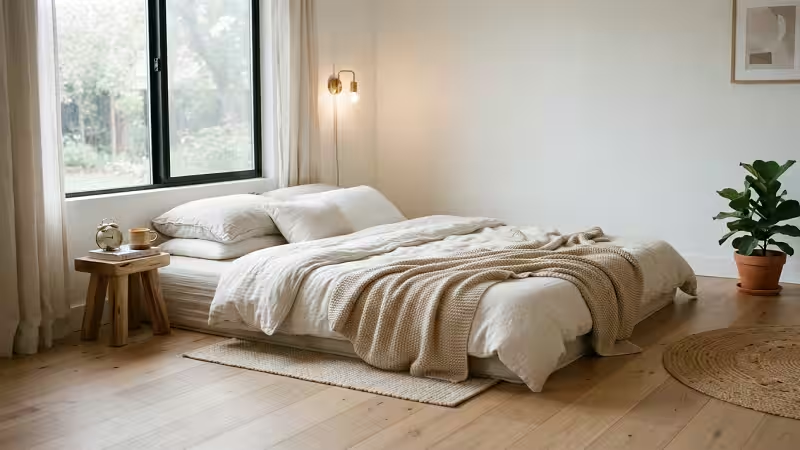
A mattress on floor setup has become one of the biggest trends in modern bedrooms. From minimalist apartments to cozy reading nooks, more people are ditching the bed frame and placing their mattress directly on the ground. But is this trend just about style, or does it actually offer real benefits?
In this guide, we’ll explore everything you need to know about sleeping with a mattress on the floor. We’ll cover safety, comfort, and the best floor mattress options for every type of sleeper. You’ll also find practical tips to keep your setup clean, supportive, and long-lasting, supported by insights from Sleep Foundation.
Whether you’re curious about a floor bed mattress for better back support, or you simply want a fresh look for your space, this article has you covered. Let’s start by breaking down what “mattress on floor” really means and why so many people are making the switch.
| Product Name | Best For | Key Feature | Buy Link |
|---|---|---|---|
| SoundAsleep Dream Series | Guests, campers, temporary floor beds | Adjustable firmness with built-in pump | Check Price |
| Hypervent Mattress Underlay | Preventing moisture and mold buildup | Breathable mesh layer for airflow | Check Price |
| Milliard Tri Folding Memory Foam Mattress | Small spaces, twin floor mattress needs | Folds flat for easy storage | Check Price |
| SafeRest Hypoallergenic Waterproof Mattress Protector | Allergy sufferers, homes with kids or pets | Waterproof and hypoallergenic fabric | Check Price |
What Does “Mattress on Floor” Really Mean?
Putting a mattress on the floor simply means skipping the bed frame or box spring altogether. Instead, you place your mattress straight onto the ground, often on a rug, mat, or thin platform for a bit of breathing room. This setup is popular in Japanese-inspired minimalist design, but it has grown well beyond that style in recent years.
For many people, a floor mattress setup is about simplicity. There’s no assembly, no squeaky frame, and no risk of a broken slat in the middle of the night. It also creates a lower profile look that many find calming and modern.
However, a mattress on the floor isn’t just a design choice. It can affect airflow, temperature, and even allergy exposure. That’s why understanding the basics matters before you commit to this setup long-term.
Next, we’ll dig into whether this sleeping style is actually safe and healthy for your body.
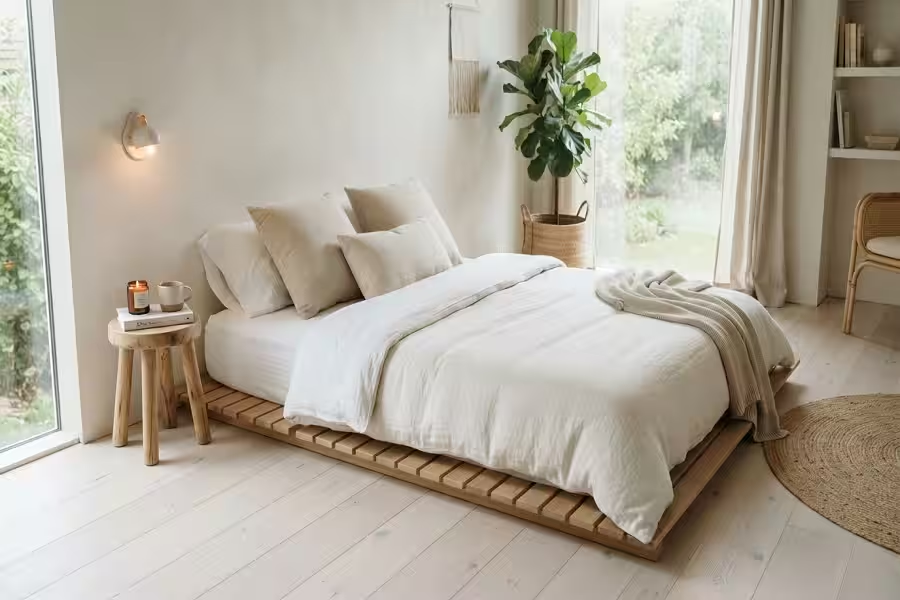
Is It Safe to Sleep With a Mattress on the Floor?
Sleeping with a mattress on the floor is generally safe for most healthy adults. In fact, many people find it comfortable and even beneficial for their posture. Still, safety depends on a few key factors, including the type of flooring, your mattress material, and your personal health needs.
Let’s take a closer look at both the upsides and the potential drawbacks.
Benefits of a Floor Bed Mattress
A floor bed mattress can offer surprising advantages beyond just aesthetics. First, it creates a firmer sleeping surface since there’s no frame or springs to add bounce. This firmness can help some people, especially side and back sleepers, maintain better spinal alignment.
Additionally, a mattress on the floor eliminates the risk of falling off a raised bed frame. This makes it a popular choice for toddlers transitioning out of a crib or for anyone who wants extra peace of mind. It’s also budget-friendly, since you skip the cost of a frame entirely.
Finally, floor mattresses tend to feel cooler in warmer climates. Without a frame trapping heat underneath, air can circulate more freely around the mattress. For many, this makes floor sleeping a comfortable option year-round.
Possible Downsides to Consider
That said, there are some downsides worth noting. Moisture and dust can build up more easily when a mattress sits directly on the floor. This is especially true on carpeted floors or in humid climates, where mold and mildew risks increase.
Furthermore, according to the Sleep Foundation, placing a mattress directly on certain surfaces without airflow can trap moisture over time, which may affect both mattress lifespan and air quality.
People with allergies or asthma should also take extra care, since floor-level sleeping brings you closer to dust and allergens. Using a breathable underlay can help reduce this risk significantly.
How to Choose the Best Floor Mattress
Not every mattress is suited for direct floor placement. Choosing the best floor mattress means paying attention to firmness, materials, and size. These factors directly affect comfort, durability, and airflow.
Firmness and Support
When picking a floor bed mattress, firmness matters more than usual. Since there’s no frame to absorb pressure, a mattress that’s too soft may feel flat and unsupportive over time. Medium-firm to firm options generally work best for floor setups.
Additionally, firmer mattresses tend to hold their shape longer when placed on a hard surface. This helps maintain even weight distribution and reduces sagging in the middle. If you already deal with back pain, a supportive mattress on the floor can actually help rather than hurt.
Material Matters
Material choice plays a big role in how well a mattress performs on the floor. Memory foam and latex tend to work well, since they’re dense and resist moisture better than traditional spring mattresses. Meanwhile, innerspring mattresses may trap more humidity underneath due to their open structure.
Breathable, moisture-wicking covers are also worth considering. They help reduce the risk of mold and keep your floor mattress fresh for longer. Overall, choosing the right material can make daily maintenance much easier.
Size Considerations (Including Twin Floor Mattress Options)
Size is another important factor, especially in smaller rooms. A twin floor mattress is a popular choice for kids’ rooms, guest spaces, or studio apartments where space is limited. It’s compact, easy to move, and works well for solo sleepers.
For couples or larger spaces, queen or king-sized floor mattresses provide more room without sacrificing comfort. Whatever size you choose, make sure it fits your room’s layout while still leaving space for airflow around the edges.
Top Products to Upgrade Your Floor Bed Setup
If you’re setting up a mattress on the floor, the right accessories and mattress choice can make a huge difference. Here are four standout products worth considering, along with a clear breakdown of their pros and cons.
SoundAsleep Dream Series
 The SoundAsleep Dream Series is a popular airbed option that works surprisingly well for floor sleeping setups. It features a comfortable, plush top layer along with a supportive internal coil-beam construction that mimics traditional mattress support. This makes it a solid pick for guest rooms or temporary floor bed arrangements.
One reason this mattress stands out is its built-in pump, which allows for quick inflation and adjustable firmness. This flexibility means you can customize your comfort level depending on your sleeping preference. It’s also fairly compact when deflated, making storage easy if you don’t want a permanent floor mattress setup.
Pros:
- Adjustable firmness with a built-in pump
- Compact and easy to store when deflated
- Great for guests, campers, or temporary use
- Budget-friendly compared to permanent mattresses
Cons:
- Not ideal as a long-term, everyday mattress
- Requires occasional reinflation to maintain firmness
- Pump noise may bother light sleepers
- Less durable than foam or latex options over time
Hypervent Mattress Underlay
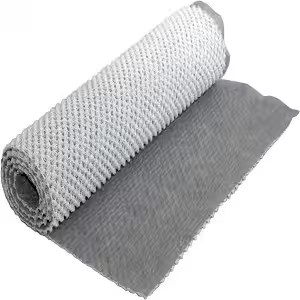 The Hypervent Mattress Underlay is designed specifically to solve one of the biggest challenges of floor sleeping: moisture buildup. This breathable mesh layer sits between your mattress and the floor, allowing air to circulate freely underneath.
By improving airflow, this underlay helps prevent mold, mildew, and musty odors that can develop when a mattress sits directly on a hard surface. It’s a simple, lightweight solution that doesn’t add bulk or change the height of your floor bed mattress setup.
Pros:
- Significantly reduces moisture and mold risk
- Lightweight and doesn’t raise mattress height
- Easy to clean and maintain
- Works with almost any mattress type
Cons:
-
- Adds an extra accessory to set up and manage
- May shift slightly if not secured properly
- Doesn’t fully eliminate moisture in very humid climates
- Slight extra cost on top of the mattress itself
Milliard Tri Folding Memory Foam Mattress
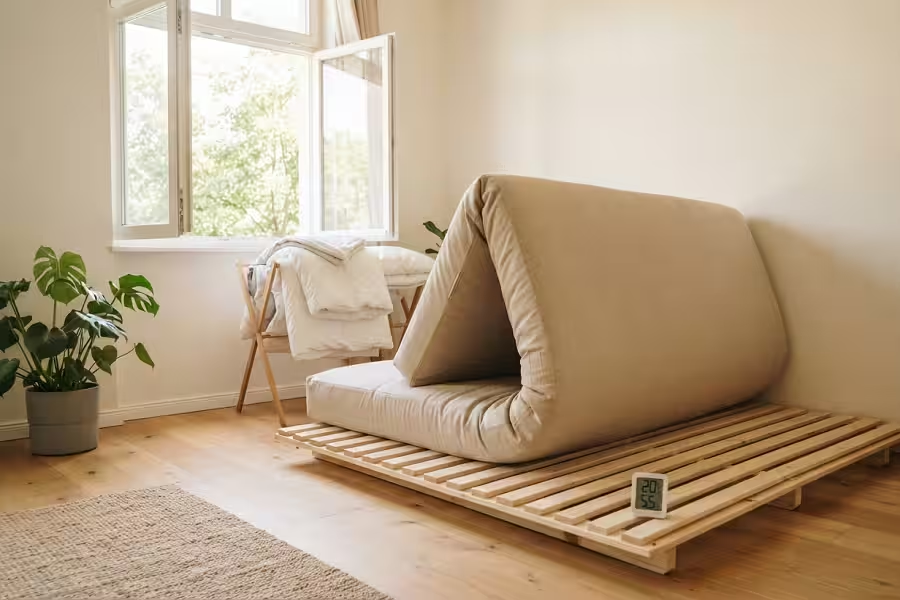
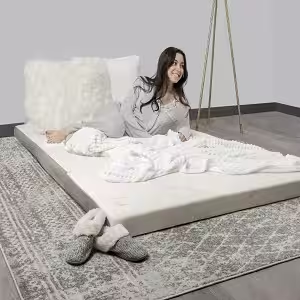 The Milliard Tri Folding Memory Foam Mattress is a versatile option built with floor use in mind. Its folding design makes it easy to store away during the day, which is ideal for multi-purpose rooms or small apartments.
Made from dense memory foam, this mattress offers firm, consistent support that holds up well on hard flooring. Its structure resists sagging better than many traditional mattresses, making it a strong choice for daily floor sleeping.
Pros:
- Folds flat for easy storage
- Firm, consistent support that resists sagging
- Versatile use for sleeping, yoga, or guest space
- Available in twin floor mattress size for smaller rooms
Cons:
- Memory foam can retain heat in warmer climates
- Firmness may feel too rigid for soft-mattress lovers
- Fold lines may be noticeable at first
- Heavier than inflatable alternatives
SafeRest Hypoallergenic Waterproof Mattress Protector
 The SafeRest Hypoallergenic Waterproof Mattress Protector adds an essential layer of defense for anyone with a mattress on the floor. Its waterproof design helps block spills, moisture, and allergens from seeping into the mattress itself.
This protector is especially useful for households with kids, pets, or allergy sufferers, since floor-level sleeping increases exposure to dust and debris. The breathable fabric also helps maintain airflow, reducing the risk of trapped humidity.
Pros:
- Fully waterproof protection against spills and moisture
- Hypoallergenic fabric ideal for allergy sufferers
- Breathable design supports airflow
- Machine washable for easy maintenance
Cons:
- Some users report a slight crinkling sound
- Fitted design may not suit non-standard mattress sizes
- Needs regular washing to maintain hypoallergenic benefits
- Slightly raises cost of overall floor bed setup
Tips for Keeping Your Floor Mattress Clean and Dry
Keeping a mattress on the floor clean requires a bit more effort than a traditional bed setup. Since it sits closer to dust, moisture, and daily foot traffic, regular maintenance is key to keeping it fresh and long-lasting.
Start by airing out your mattress regularly. Simply propping it up against a wall for an hour or two every week allows trapped moisture to escape. This small habit can prevent mold and musty smells from developing underneath.
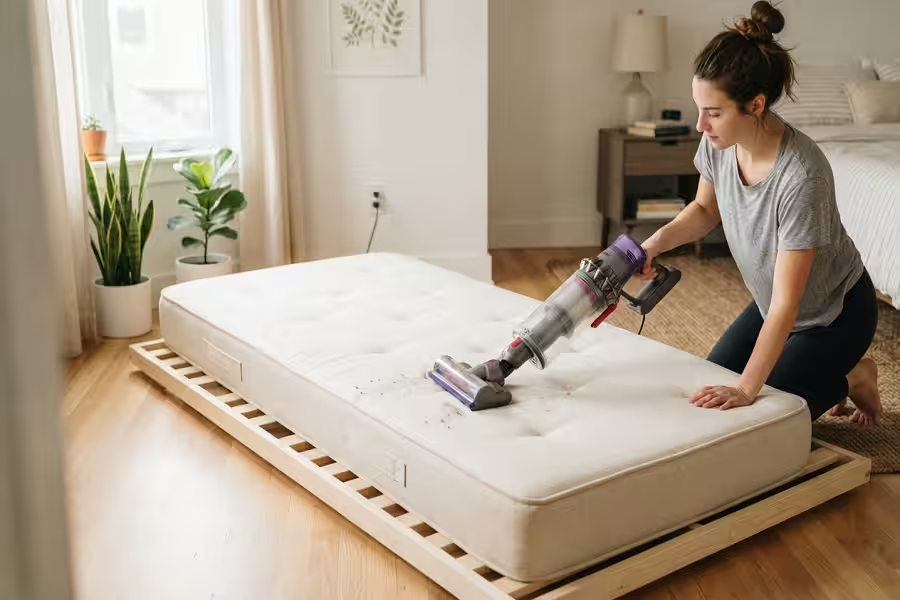
Vacuuming both your mattress and the surrounding floor area also helps reduce dust buildup. This is especially important for anyone with allergies, since floor-level sleeping brings you closer to airborne particles. A handheld vacuum with an upholstery attachment works well for this task.
Using a breathable underlay, like the Hypervent option mentioned earlier, is one of the easiest ways to protect your floor bed mattress. It creates a barrier that promotes airflow, so moisture doesn’t get trapped between the mattress and the floor.
Finally, avoid placing your mattress directly on carpet if possible. Carpet tends to hold onto humidity and dust more than hard flooring, which can shorten your mattress’s lifespan. If carpet is your only option, an underlay becomes even more important.
With these simple habits, your mattress on the floor can stay fresh, supportive, and hygienic for years to come.

Styling Ideas for Beds on the Floor
Beds on the floor offer a unique opportunity to get creative with your bedroom design. Without a bulky frame, you have more freedom to experiment with layers, textures, and layout.
One popular approach is layering a large area rug underneath your mattress. This adds warmth, softness, and a defined boundary for your sleeping space. It also helps protect your flooring while adding a cozy, grounded feel to the room.
String lights, low-hanging pendant lamps, or a small side table can enhance the minimalist vibe many floor bed setups are known for. Since the bed sits lower, these details help create balance and draw the eye upward, keeping the room from feeling too flat.
Another great idea is using a low platform base, even just a few inches high. This adds a slight lift for airflow while still keeping that grounded, floor-level aesthetic. It’s a simple way to blend style with practicality.
Ultimately, styling a mattress on the floor comes down to personal taste. Whether you prefer a boho look with layered textiles or a clean, modern minimalist setup, this trend adapts easily to almost any design style.
Common Mistakes to Avoid With a Mattress on the Floor
Even though a mattress on the floor is simple to set up, a few common mistakes can affect comfort and mattress lifespan. Avoiding these pitfalls helps ensure a better, healthier sleeping experience.
One frequent mistake is skipping a protective barrier between the mattress and the floor. Without an underlay or breathable mat, moisture can build up quickly, leading to mold or unpleasant odors. This is one of the easiest issues to prevent with the right accessory.
Another mistake is choosing the wrong mattress type for floor use. Soft, plush mattresses without firm support can feel flat and uncomfortable when placed directly on a hard surface. Opting for a firmer floor bed mattress usually leads to better long-term comfort.
Placing a mattress directly on carpet without airflow is also a common issue. Carpet traps humidity more than hard flooring, increasing the risk of mildew over time. If carpet is unavoidable, always add a breathable layer underneath.
Finally, many people forget to rotate or flip their mattress regularly. Just like a bed frame setup, a floor mattress needs occasional rotation to prevent uneven wear. This simple habit helps maintain consistent support for longer.
Frequently Asked Questions
Should You Place Mattresses on the Floor?
Yes, placing a mattress on the floor is generally safe for most healthy adults. It can offer firmer support, reduce fall risk, and even help with temperature regulation. However, people with allergies or those in humid climates should use a breathable underlay to prevent moisture buildup and maintain good air quality.
Best Mattresses for Flooring
The best mattresses for flooring are typically medium-firm to firm, made from memory foam or latex. These materials resist moisture better than traditional innerspring mattresses and maintain their shape well on hard surfaces. A breathable cover also helps improve airflow and reduce allergen buildup.
Best Eco-Friendly Floor Mattress
An eco-friendly floor mattress is usually made from natural latex, organic cotton, or certified non-toxic foam. These materials reduce chemical exposure and are often more breathable, which helps prevent moisture issues common with floor sleeping. Look for certifications like GOTS or OEKO-TEX for verified eco-friendly standards.
Best Organic Floor Mattresses
Organic floor mattresses are typically crafted from organic cotton, wool, or natural latex without synthetic additives. These materials are hypoallergenic and naturally moisture-resistant, making them well-suited for direct floor placement. They also tend to be more breathable, reducing the risk of mold over time.
Best Mattresses for Bedrooms
The best mattresses for bedrooms depend on personal sleep preferences, but medium-firm options generally suit the widest range of sleepers. For floor bed setups specifically, durable, moisture-resistant materials like memory foam or latex tend to perform best. Comfort, support, and breathability should all factor into your choice.
Conclusion
Choosing a mattress on floor setup can be a simple, budget-friendly way to upgrade your sleep space. From better spinal support to a cooler, more minimalist bedroom feel, this trend offers real benefits for many sleepers. Of course, success depends on choosing the right materials, adding proper airflow, and maintaining your mattress with regular care.
Whether you’re drawn to a twin floor mattress for a small space or a full-sized floor bed mattress for your main bedroom, the key is picking supportive, moisture-resistant options. Pairing your mattress with a breathable underlay and a quality protector can make all the difference in comfort and longevity.
Ultimately, the best floor mattress setup is one that fits your lifestyle, room, and personal comfort needs. With the right approach, sleeping with a mattress on the floor can be just as comfortable, stylish, and practical as any traditional bed frame setup.

Expert in the world of air mattresses and outdoor sleep solutions, with years of experience testing and reviewing products to ensure comfort and durability. My passion is to help people make the best choices for their sleep comfort, whether for camping adventures or overnight guests.